
Use custom apparel types as a design system
A list of styles is useful only when it supports a item decision. For types of baseball hats explore popular styles and trends, compare silhouette, intended use, customer, climate, price position, and the manufacturing complexity each option adds. Two styles can share a name while differing materially in proportion, construction, and performance. A types of baseball hats explore popular styles and trends project becomes easier to compare when this information is requested in the same format from every potential partner.
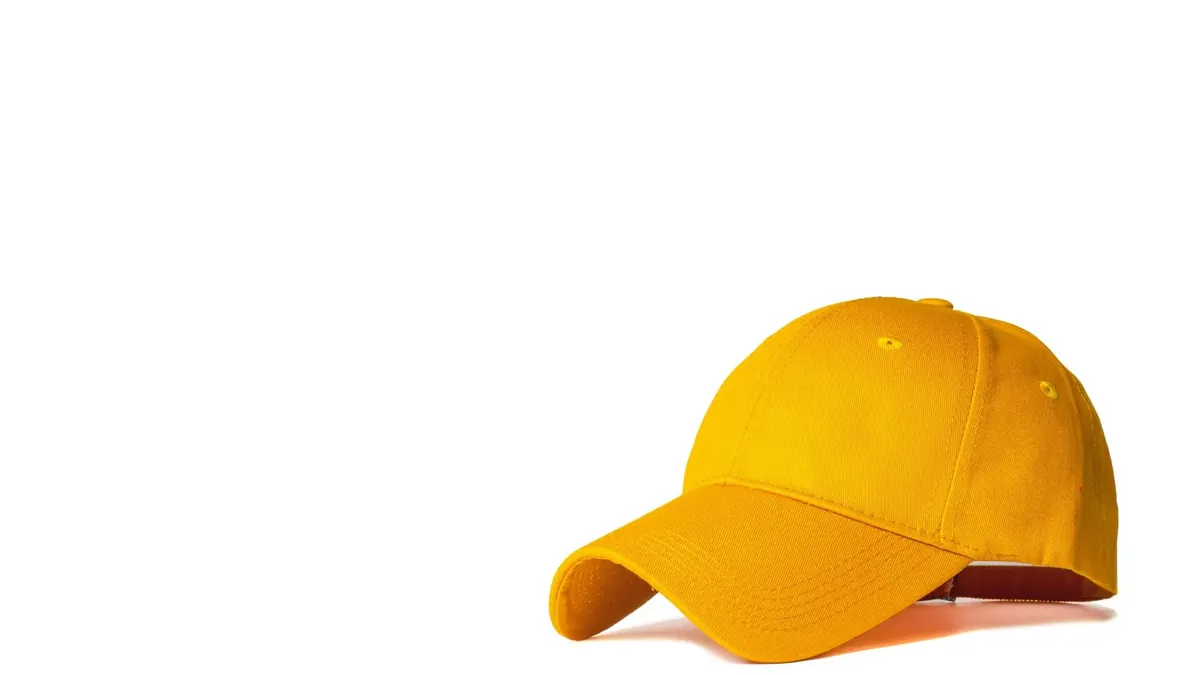
Common directions include structured, unstructured, fitted, snapback, strapback, five-panel, six-panel, performance, dad cap, and trucker cap. Treat these as families rather than fixed formulas. A brand can adjust length, volume, opening shape, closure, paneling, pockets, and finishing, but every change should serve the customer and remain specific in the technical brief. For types of baseball hats explore popular styles and trends, the practical output is a traceable instruction that a sample maker, production team, and inspector can interpret the same way.
Compare material and component proposals
For custom apparel development, material conversations may cover fabric composition, weight, structure, finish, color, trims, labels, and packaging components. Compare composition, construction, usable width, weight, finish, stretch, recovery, shade control, care behavior, and availability. A familiar fiber name does not guarantee the same hand feel or performance from two different sources. For types of baseball hats explore popular styles and trends, this is also a useful place to note the acceptance method, responsible person, and evidence needed to close the issue.
Request swatches or lab dips where appropriate and identify whether the quoted fabric is stock, made to order, or subject to a factory minimum. Verify substitute approval rules. The bill of materials should also name thread, elastics, hardware, labels, and packing components so the quote does not hide material differences. Applied to types of baseball hats explore popular styles and trends, this checkpoint should answer one practical question about the custom apparel before more money or time is committed.
Write a production-ready material specification
The production-ready specification has to make specific production partner or mill reference, fiber content, construction, weight and tolerance, usable width, color standard, finish, stretch and recovery where relevant, care method, test project requirements, defect limits, and substitute approval. Attach a sealed swatch when physical review is significant. In the context of types of baseball hats explore popular styles and trends, the evidence belongs in the same working pack as the measurements, swatches, artwork, and comments.
Send KNAPMOD the product reference, intended use, quantities, colorways, target feel, performance needs, destination, and any approved fabric. The decision gives the sourcing discussion a practical starting point while leaving room to compare alternatives against the same criteria. In the context of types of baseball hats explore popular styles and trends, the evidence belongs in the same working pack as the measurements, swatches, artwork, and comments.
Match types of baseball hats explore popular styles and trends to construction and decoration
The material must tolerate the planned sewing and decoration route. Consider needle cutting, seam puckering, feed behavior, edge curl, fraying, bulk, heat sensitivity, ink or adhesive compatibility, and how embroidery weight affects drape. Develop trial seams and decoration strike-offs in advance of committing to bulk material. For types of baseball hats explore popular styles and trends, this is also a useful place to note the acceptance method, responsible person, and evidence needed to close the issue.
For custom apparel production, construction control includes pattern accuracy, seam choice, reinforcement, closure installation, decoration placement, and finishing. A beautiful fabric can still be the wrong choice if it cannot hold the silhouette, survive finishing, accept the artwork, or meet the intended care instructions consistently. For types of baseball hats explore popular styles and trends, tie this decision to one named owner and an approval date so it cannot drift between sampling and bulk work.
Plan launch evidence and measurement
Marketing for types of baseball hats explore popular styles and trends should show the garment truthfully: fit, material, construction, use, care, and the customer problem it solves. Prepare garment pages, photography, size guidance, delivery information, and support answers before increasing traffic. Claims about performance, origin, sustainability, or compliance need appropriate evidence. For types of baseball hats explore popular styles and trends, this is also a useful place to note the acceptance method, responsible person, and evidence needed to close the issue.
Choose a small set of measures connected to decisions, such as qualified email sign-ups, sample feedback, conversion rate, return reasons, sell-through by size, contribution margin, and reorder demand. Vanity reach is less useful than learning why customers buy, hesitate, return, or recommend. For types of baseball hats explore popular styles and trends, the practical output is a traceable instruction that a sample maker, production team, and inspector can interpret the same way.
Use sampling as a capability test
Sampling is the first practical test of communication and control. Give every shortlisted manufacturer the same measurements, references, construction notes, artwork, and review format. Evaluate the sample against points of measure, ease, grading, tolerances, movement, and approved sample dimensions rather than deciding only from photographs or general appearance. In a types of baseball hats explore popular styles and trends review, connect this point to the customer use case and to the exact sample or document that will prove it.
Write down each comment with a location, required change, measurement where possible, and supporting image. Establish the supplier to return an updated specification or comment sheet prior to the next sample. A controlled revision trail shows whether approved decisions are likely to survive the move into bulk production. For a buyer researching types of baseball hats explore popular styles and trends, a written answer is more useful than an assurance because it can be checked against the sample and quote.
Compare MOQ, price, timing, and terms on one scope
MOQ is not a single measure of accessibility. Verify whether the minimum applies per style, color, fabric, print, trim, or total order, and ask what changes when several sizes share one color. Set side by side development fees, sample charges, material minimums, packaging, testing, freight, duties, and payment terms separately from the unit price. Treat this part of types of baseball hats explore popular styles and trends as a decision gate: unresolved details should remain visible instead of being converted into silent assumptions.
Request a stage-based schedule covering specification review, fabric approval, sampling, revisions, bulk approval, production, inspection, packing, and transit. Treat unusually fast promises as questions to investigate. A practical schedule states its assumptions and identifies decisions that could move the date. On types of baseball hats explore popular styles and trends, link the decision to its effect on fit, appearance, durability, cost, or schedule instead of treating it as an isolated preference.
Continue reading
Types of Swimsuits: A Guide to Styles, Fits & Trends
Compare custom apparel options by silhouette, materials, fit, construction, testing, care, and collection role before preparing a production brief.
Read articleTypes of Panties Underwear Styles for Everyday Comfort
Compare underwear and intimate apparel options by silhouette, materials, fit, construction, testing, care, and collection role before preparing a production.
Read articleTypes of Pants: Exclusive Styles for Men & Women
Compare custom apparel options by silhouette, materials, fit, construction, testing, care, and collection role before preparing a production brief.
Read articleRelated products
Caps, Hats & Accessories
Extend a collection with caps, hats, beanies, bags, socks, aprons, and other sewn goods developed around their own construction and branding needs.
Explore productActivewear & Sportswear
Plan performance garments around movement, fabric recovery, comfort, decoration compatibility, and the demands of the activity.
Explore productHoodies & Sweatshirts
Develop pullover hoodies, zip-ups, crewnecks, and coordinated sweats with the fabric weight, fit, trims, and decoration your collection requires.
Explore productReady to discuss production?
Share your product idea, quantities, references, target fabric, and timeline. KNAPMOD can review the details and help you map the next production step.
Send your enquiry