A model wearing an olive zip-front hoodie with a drawstring hood.

Custom Hoodie and Sweatshirt Manufacturing

More than heavyweight.
A whole garment, considered.

Knapmod Mfg develops hoodies and sweatshirts for streetwear labels, lifestyle brands, corporate apparel buyers, and founders building their first considered collection. These garments need more than a heavyweight description and a logo. The body, hood, rib, pockets, and decoration must feel like parts of the same product. We help turn those decisions into a precise brief, then use focused sampling to resolve fit and construction before bulk production. Our approach combines flexibility with disciplined approvals so that development moves efficiently and the finished garment reflects the standard your brand intends to deliver.

BEFORE YOU ORDER

Plan your hoodie order.

A streetwear drop, a private-label essential or a branded sweatshirt: start with the construction that makes the layer yours.

Starting minimum
50 pieces
Sampling stage
2 weeks
Bulk production stage
2 weeks

We confirm the quantity split, material readiness, approvals and stage start dates in your quotation. Sampling and bulk are separate stages; shipping transit is additional.

01 / Define the product

Specify pullover, zip-up or crewneck; regular, boxy or oversized fit; fleece or French terry; and your target fabric weight. Include hood construction, rib, pockets, zipper or drawcord requirements and artwork placement.

02 / Approve the reference

Compare the sample’s chest, length and sleeve measurements with your size chart. Review the hood shape, rib recovery, seam finish and print or embroidery on the selected fabric before approving bulk production.

Buying from the USA, Europe or Australia

KNAPMOD is based in Sialkot, Pakistan and offers worldwide shipping. Share your delivery country, postcode and required arrival date. We can discuss courier, air or sea freight, or coordination with your nominated forwarder. Availability, freight costs and transit estimates are confirmed for the order.

Agree finished measurements and size labels for your customer; a US, European or Australian size name alone is not a fit specification. Confirm the destination-specific label, packaging and documentation requirements before approval.

Your written quotation should identify currency, sample charges and revisions, payment milestones, delivery terms, and who handles customs clearance, duties and taxes. Shipping and import charges are not assumed to be included in the garment price. Changes, cancellations and any defect remedy are governed by the agreed order terms.

Read the apparel shipping guide

Send this with your enquiry

Hoodie or sweatshirt references; fabric and weight; units by style, color and size; decoration files; destination and deadline.

Request your quotation

Build the silhouette from every detail.

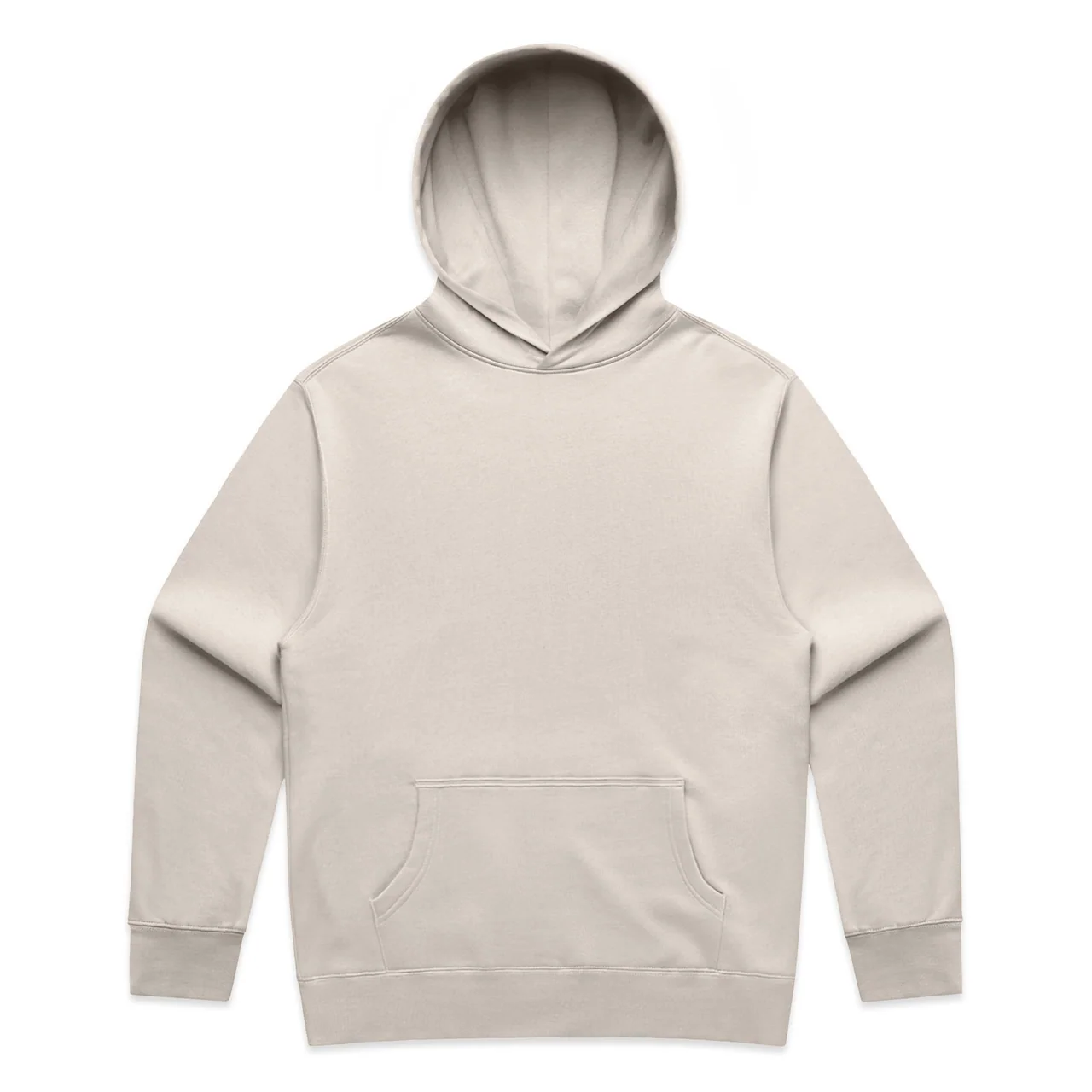
Stone pullover hoodie showing its shoulder shape, pocket and ribbed hems.

Pullover hoodies

A pullover can be regular, relaxed, oversized, cropped, or shaped around an athletic direction. The silhouette depends on the relationship between shoulder position, chest width, body length, sleeve volume, and the hem. Simply choosing a larger size does not create a complete oversized design.

The hood is a separate development priority. Specify its shape, depth, lining, opening, and any drawcord details. Check how it sits both up and down and how it affects the neckline. Pocket dimensions and placement also deserve attention: a kangaroo pocket should work with the body proportions rather than being treated as a standard attachment.

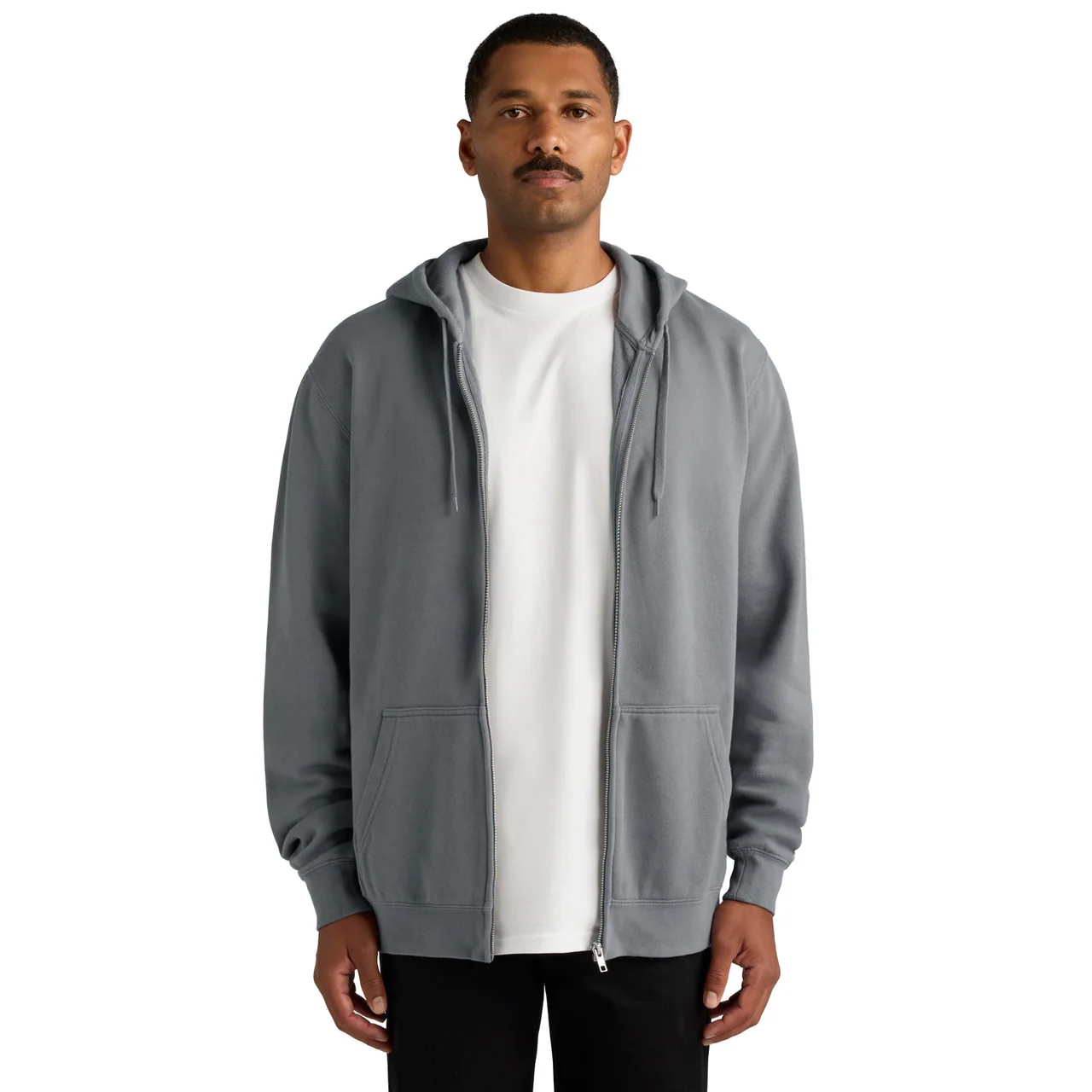
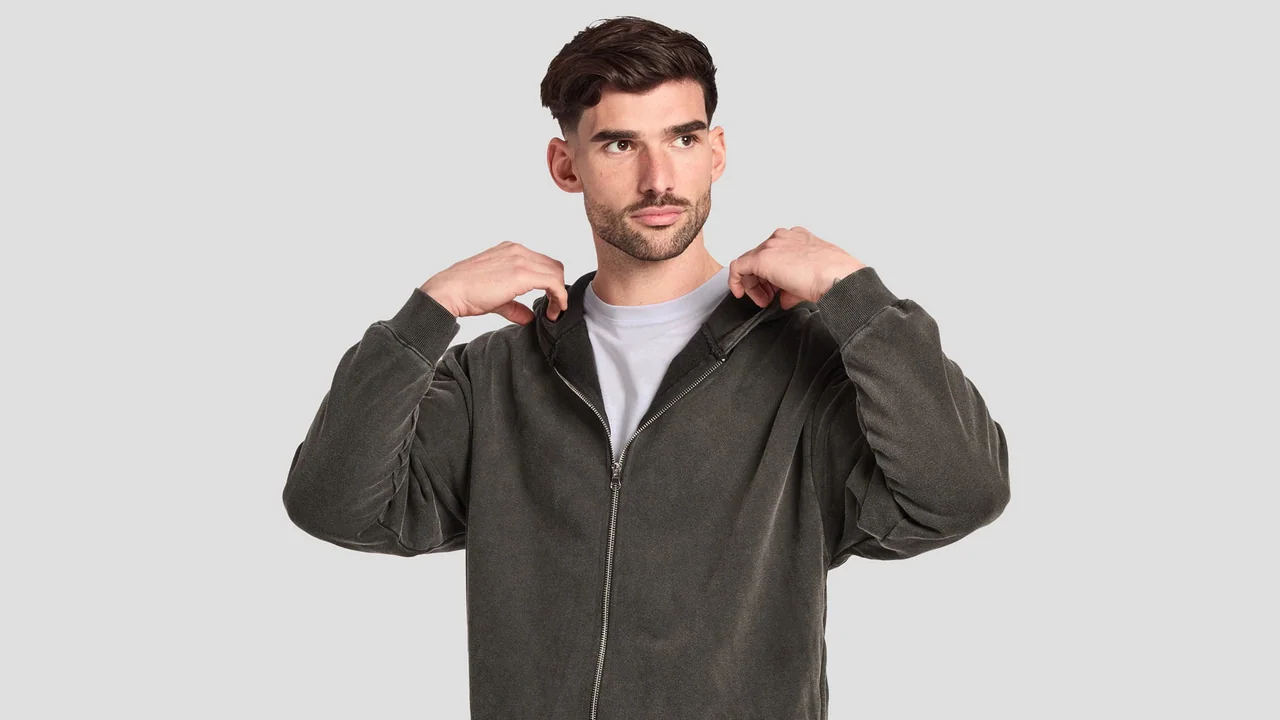
Grey zip-front hoodie worn open over a white T-shirt, showing the central zipper.

Zip-up hoodies

Zip-up styles introduce a front opening, hardware, and additional alignment requirements. Define the zip length, appearance, puller, and any branded trim. Review the garment closed and open because its balance and presentation can change between those conditions.

Graphics that cross a front opening need special consideration. The artwork should be planned around the construction, not placed across a mockup without checking the physical result. Pockets, rib, and hood attachment must also remain visually coordinated on both sides.

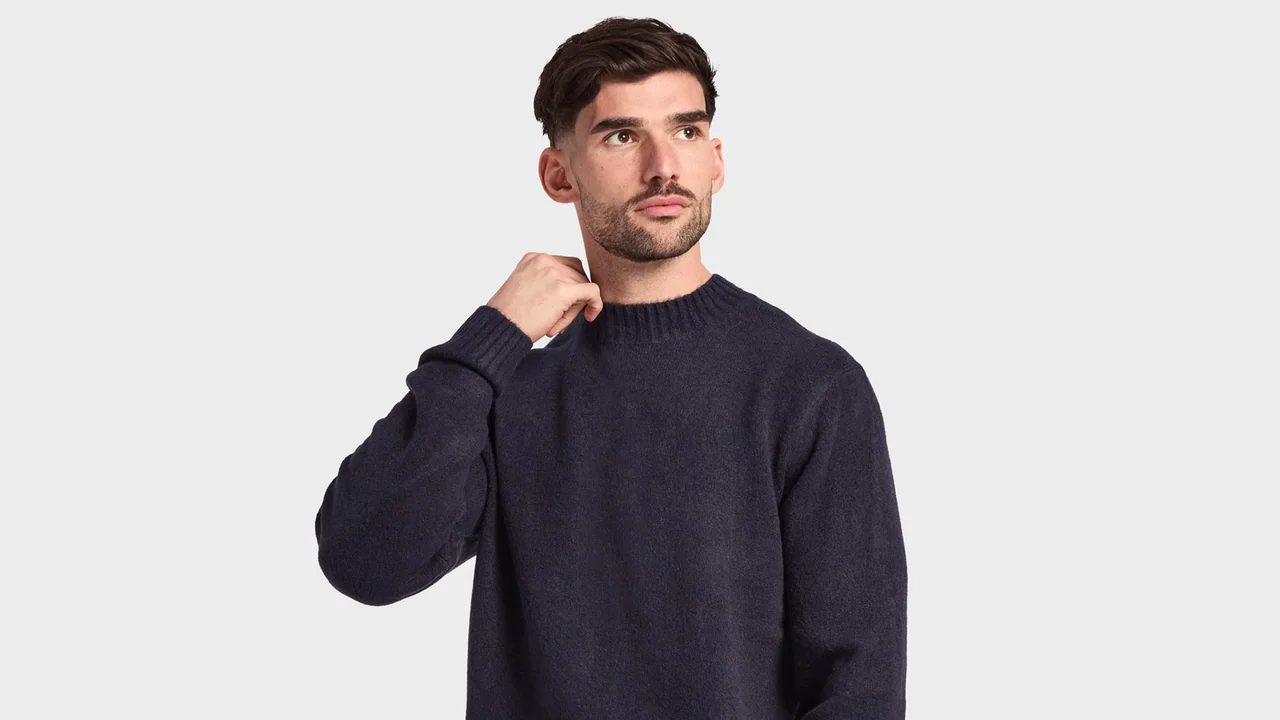
A model wearing a plain navy knitted crewneck top.

Crewneck sweatshirts

Crewnecks share many material and fit decisions with hoodies, but their neckline becomes a more prominent detail. Rib width, opening shape, shoulder construction, and the relationship between body fabric and trims help define the finished look.

A clean everyday crewneck, a cropped fashion piece, and a substantial streetwear sweatshirt can begin with different proportions even when they use related fabrics. Establish the intended fit and finish before assuming one pattern can serve every variation in the collection.

Fleece, French terry, and fabric weight

Brushed fleece and French terry should be specified distinctly. Brushed fleece has a soft brushed interior; French terry has loops on the reverse. Composition, construction, and finishing influence the surface feel and drape alongside fabric weight.

GSM means grams per square meter. It provides a measurable weight reference, but it does not by itself establish softness, durability, or overall quality. A higher number may suit a substantial silhouette while a lighter fabric may better serve layering or a transitional collection.

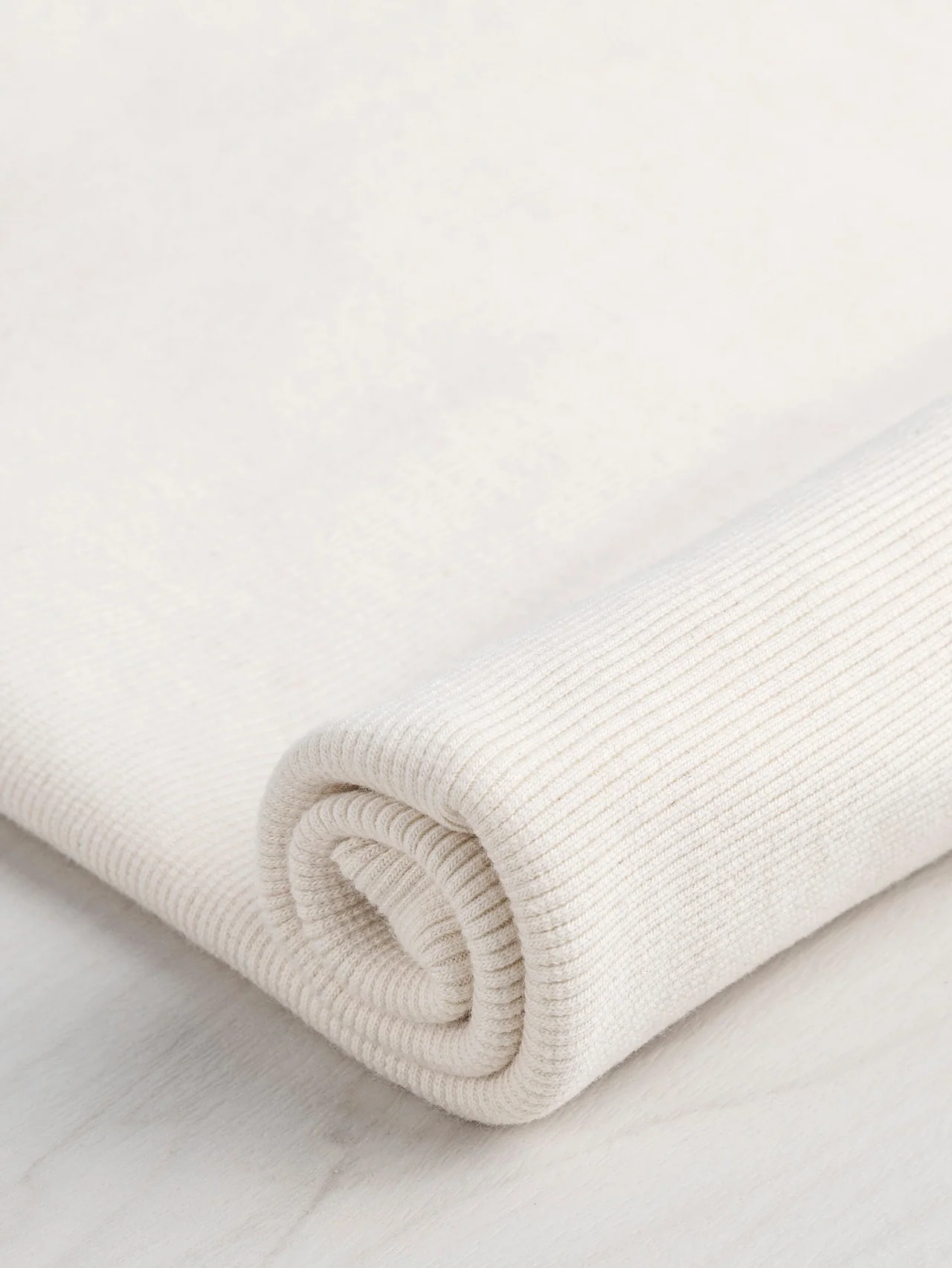
Specify the body material and the rib separately, including composition and the intended stretch characteristics. Cuffs and waistbands need to complement the main fabric in appearance and behavior. Review them together after the agreed care evaluation rather than approving isolated swatches only.

Branding and finishing details

Prints, embroidery, patches, woven labels, and selected raised effects can be assessed against your artwork and fabric. Large graphics, dense embroidery, and placements near pockets or seams create different technical considerations. Confirm the desired finish through a representative sample.

Drawcords, eyelets, zip pullers, label positions, and packaging complete the specification. Their availability and minimums can affect the production route. We keep these details visible from the start so a carefully developed garment is not delayed by an unresolved finishing component.

Resolve the sample. Refine the signature.

Define the style and wearing experience

Send your references, intended customer, size range, quantities, and target delivery date. Identify whether the project is a pullover, zip-up, crewneck, or coordinated range. Describe the desired structure, interior feel, and fit rather than relying only on terms such as premium or heavyweight.

If you have an existing garment, explain what works and what should change. A useful reference can shorten the discussion, but it should support your own approved specification rather than replace it.

Confirm materials and technical details

Prepare the measurement chart, construction notes, fabric specification, and component list. Define the hood, pockets, cuffs, waistband, neckline, closures, and decoration positions relevant to the style. Identify color references and any finishing treatments.

Where speed or quantity makes a requested material difficult, discuss alternatives before sampling. Changing fabric weight after approving the fit may change the garment's balance and require another sample. Early decisions make the development process more efficient.

Develop and assess the sample

Review the first sample for fit, proportions, material feel, and construction. Try the intended movement and layering, not only a static front view. Examine how the hood rests, whether pockets sit naturally, and how cuffs and the hem hold the shape.

For zip-ups, inspect the front opening and alignment. For crewnecks, focus on the neck opening and rib finish. Record any sample substitutions so it is clear which parts represent production and which still need confirmation.

Refine the details and approve the reference

Provide consolidated comments with measurements and photographs. Distinguish an incorrect measurement from a change in your preferred fit. Confirm artwork scale and placement on the actual garment, especially where the design approaches a pocket, seam, or zip.

Update the written specification alongside each approved correction. Agree the size range and any size-set review. Final approval should connect the sample, fabric, trims, decoration, labels, and packing requirements into one identifiable production reference.

Move into bulk production

Once the required approvals and materials are in place, bulk cutting, assembly, decoration, and finishing follow the agreed route. The exact sequence depends on the design and application method, so those decisions should be resolved before release.

In-process checks should emphasize the features that define your style: panel balance, hood construction, pocket position, rib attachment, zip alignment, and measurements. Any proposed change to an approved component needs review rather than an informal substitution.

Complete final inspection and packing

Review the finished garments against the approved standard and agreed inspection scope. Confirm the correct size and color identification, decoration, labels, folding, and packaging. Bulky garments need packaging dimensions appropriate to their finished volume.

For repeat orders, retain the current sample and specification references. A stable record supports efficient replenishment while allowing fabric availability and any requested changes to be assessed before the next order is confirmed.

A plan for the garment you actually want.

Natural rib knit rolled to reveal its parallel knitted columns.

Minimums depend on the style, fabric, color, decoration, and trims. A custom-dyed fleece, specially developed rib, or branded metal component can carry a separate requirement from garment assembly. The total order should be broken down by style and color to make these dependencies visible.

Knapmod confirms project-specific minimums and timing in the quotation. If your first run is small, a focused selection of materials and shared components may create a more practical route than many unrelated variations. Feasibility still needs review against the actual specification.

Development time includes material confirmation, pattern work, sample making, feedback, and approval. Bulk production, decoration, finishing, inspection, and freight follow their own schedule. An estimate for sewing alone should not be treated as the complete launch timeline.

Fabric consumption and weight influence cost, as do hood lining, complex pockets, zip hardware, embroidery, prints, washes, labels, and packaging. A simple crewneck and a heavily customized zip-up should not be compared on unit price without accounting for those differences.

The quickest responsible route is usually a complete brief, available materials, usable artwork, and prompt consolidated approvals. If a date is fixed, state it before development begins. We can then assess the choices that support the deadline without disguising the work still required.

Weight is one detail. Quality is the whole.

Quality review starts with the agreed material and measurements. Check fabric weight and appearance against the approved reference, then assess the completed garment for fit, seam quality, panel consistency, and finishing. A substantial hand feel is only one part of the standard.

Hoods should be checked for shape, lining, attachment, and their relationship to the neckline. Pocket placement and construction should be consistent. Cuffs and waistbands need clean attachment and the intended hold without distorting the silhouette. Zip-up fronts should be reviewed for appearance and function.

Decoration requires its own reference. Inspect size, placement, clarity, surface finish, and any effect on the fabric. A technically clean embroidery can still be unsuitable if its scale or density changes the garment's intended feel.

Agree laundering checks where dimensional stability, surface appearance, or decoration durability matters. Review body fabric and rib together because the finished garment depends on their combined behavior. Do not assume that a fabric label or a preshrunk description proves the entire product will remain unchanged.

Any specific material or performance claims require supporting evidence appropriate to the project. If certified fibers or another documented attribute are essential, raise that requirement during sourcing. Routine visual inspection does not establish certification or validate every marketing statement.

The details, answered.

Clear answers before the next step.

The best choice depends on the desired structure, interior feel, season, and customer use. Compare fleece and French terry in the proposed compositions and weights. A swatch helps narrow the choice, but the sample shows how the material works with your hood, fit, and trims.

Define your next signature hoodie.

Define your next signature hoodie or sweatshirt with Knapmod Mfg. Send your references, fabric direction, quantities, and launch date through the project form below, or start the conversation on WhatsApp. We will help organize the details into an efficient sampling plan and a precise manufacturing brief.

Chat on WhatsApp

Let’s make it happen.

Tell us what you’re making.

Add your brand & project details (optional)
You can attach up to three files.

A security check helps protect your enquiry. Cloudflare privacy

Let’s talk WhatsApp

Choose what you allow. You can return here using Cookie settings in the footer.