
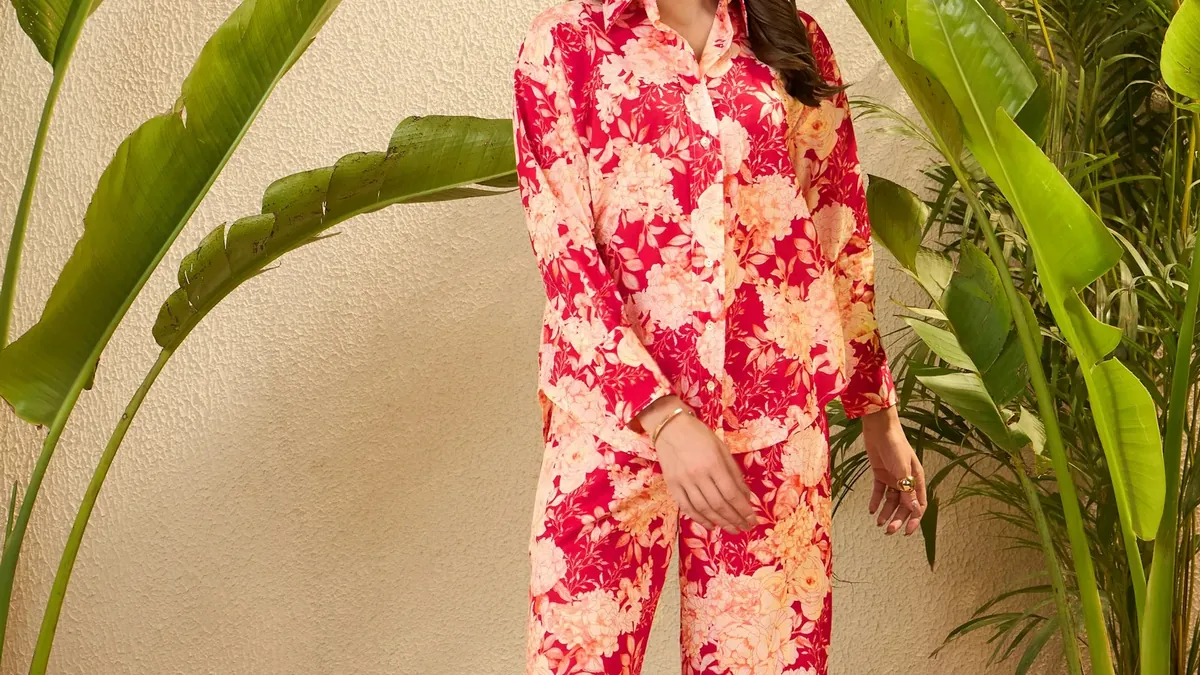
Define the custom apparel project
A useful custom loungewear manufacturer brief starts with the customer, intended use, price position, order shape, size range, colorways, destination, and target date. Add sketches, reference garments, or original images, but explain which details are inspiration and which must be reproduced as measurable specifications. Applied to custom loungewear manufacturer, this checkpoint should answer one practical question about the custom apparel before more money or time is committed.
Document points of measure, ease, grading, tolerances, movement, and approved sample dimensions. Separate must-have needs from open choices so feasibility, sampling, and cost can be discussed honestly. Clear scope reduces assumptions without preventing the manufacturer from suggesting practical alternatives. A custom loungewear manufacturer project becomes easier to compare when this information is requested in the same format from every potential partner.
Choose materials that support the shape
Material direction for custom apparel may include fabric composition, weight, structure, finish, color, trims, labels, and packaging components. Match weight, drape, stretch, recovery, opacity, warmth, and surface to the silhouette. A structured style may collapse in a fluid fabric, while a close fit can become uncomfortable if recovery or breathability is weak. When planning custom loungewear manufacturer, keep the rationale beside the decision so later substitutions or revisions can be evaluated consistently.
Approve physical swatches whenever hand feel and stretch matter. Note face and back, finish, color standard, care, and any companion rib, lining, elastic, or hardware. Test the fabric direction after the proposed decoration and wash process, since those steps can change appearance and dimensions. For custom loungewear manufacturer, tie this decision to one named owner and an approval date so it cannot drift between sampling and bulk work.
Read composition and construction together
Composition describes the fibers; construction explains how they are arranged. Evaluate whether the textile is knitted or woven, the structure or weave, yarn type, blend ratio, usable width, and any elastane or reinforcement. These details often explain drape, stability, breathability, opacity, and recovery more clearly than fiber content alone. Treat this part of custom loungewear manufacturer as a decision gate: unresolved details should remain visible instead of being converted into silent assumptions.
Likely material directions include fabric composition, weight, structure, finish, color, trims, labels, and packaging components. It is risky to assume that a quoted blend will match a reference garment. Review approved physical swatches and record the production partner article, color, lot controls, finish, and acceptable substitute procedure in the specification. In the context of custom loungewear manufacturer, the evidence belongs in the same working pack as the measurements, swatches, artwork, and comments.
Match custom loungewear manufacturer to construction and decoration
The fabric must tolerate the planned sewing and decoration route. Consider needle cutting, seam puckering, feed behavior, edge curl, fraying, bulk, heat sensitivity, ink or adhesive compatibility, and how embroidery weight affects drape. Create trial seams and decoration strike-offs in advance of committing to bulk fabric. For a buyer researching custom loungewear manufacturer, a written answer is more useful than an assurance because it can be checked against the sample and quote.
For custom apparel production, construction control includes pattern accuracy, seam choice, reinforcement, closure installation, decoration placement, and finishing. A beautiful fabric can still be the wrong choice if it cannot hold the silhouette, survive finishing, accept the artwork, or meet the intended care instructions consistently. In the context of custom loungewear manufacturer, the evidence belongs in the same working pack as the measurements, swatches, artwork, and comments.
Resolve fit and construction
Construction planning has to account for pattern accuracy, seam choice, reinforcement, closure installation, decoration placement, and finishing. Set seam and stitch expectations, reinforcements, edge finishes, closures, pockets, artwork placement, and tolerances. Inspect how the garment moves and how bulk production will reproduce the approved details. Within a custom loungewear manufacturer brief, mark whether this point is fixed, proposed by the factory, or still waiting for buyer approval.
Sampling should check points of measure, ease, grading, tolerances, movement, and approved sample dimensions. Measure consistently, photograph issues, and return consolidated comments with the revised specification. Bulk approval should refer to a documented sample and document version. When planning custom loungewear manufacturer, keep the rationale beside the decision so later substitutions or revisions can be evaluated consistently.
Sample and test the selected direction
Use the sample to assess silhouette, movement, comfort, balance, construction, decoration, and care. Product-relevant checks can include dimensional stability, colorfastness, seam strength, pilling, appearance, and decoration durability. Requirements vary by selling market and intended use, so confirm any regulated or performance claim with qualified guidance and suitable evidence. Applied to custom loungewear manufacturer, this checkpoint should answer one practical question about the custom apparel before more money or time is committed.
Write comments against the specification and keep approved measurements, swatches, trims, artwork, and photos together. A final sample should represent the bulk standard closely enough that production teams and inspectors can make consistent decisions. For custom loungewear manufacturer, this is also a useful place to note the acceptance method, responsible person, and evidence needed to close the issue.
Sequence development and approvals
Break custom loungewear manufacturer into reviewable gates: feasibility, material direction, pattern or setup, prototype, fit or strike-off review, revised sample, size validation where needed, bulk approval, production control, and final inspection. The exact sequence changes by style and customization method. On custom loungewear manufacturer, link the decision to its effect on fit, appearance, durability, cost, or schedule instead of treating it as an isolated preference.
Each gate should name the sample or evidence being approved and what remains open. It is risky to let partial approval become assumed approval of the entire item. Capture comments in one place, close contradictions, and return an updated specification before the next stage starts. A custom loungewear manufacturer project becomes easier to compare when this information is requested in the same format from every potential partner.
Quick planning facts
- Project scope
- Quoted from your brief
- Sample review
- Approve details before bulk
- Private label
- Plan labels and packaging
Buyer checklist
- Original sketches, tech pack, sample garment, or clearly annotated references
- Requirements for points of measure, ease, grading, tolerances, movement, and approved sample dimensions
- Direction for fabric composition, weight, structure, finish, color, trims, labels, and packaging components
- Artwork, labels, packaging, quantities, sizes, colorways, and delivery country
- Target date, required testing, open decisions, and any fixed commercial limits
Common questions
What should I send for a custom loungewear manufacturer quote?
Send the product type, quantity, sizes, colorways, measurements or references, fabric direction, customization, labels, packaging, delivery country, and desired timeline.
Can development start without a complete tech pack?
References and a clear written brief can start a feasibility discussion, but measurements, materials, construction, artwork, and approvals must be documented before dependable bulk production.
Why is sampling important before bulk production?
Sampling makes fit, materials, construction, decoration, and finishing reviewable. For custom apparel, it is the practical point for correcting the specification before larger commitments.
Continue reading
Custom Activewear Manufacturer
Plan activewear production with practical guidance on fabric, fit, construction, sampling, customization, quality checks, and a complete quote brief.
Read articleCustom Aprons Manufacturer
Plan custom apparel production with practical guidance on fabric, fit, construction, sampling, customization, quality checks, and a complete quote brief.
Read articleCustom Athletic Wear Manufacturer
Plan activewear production with practical guidance on fabric, fit, construction, sampling, customization, quality checks, and a complete quote brief.
Read articleRelated products
Activewear & Sportswear
Plan performance garments around movement, fabric recovery, comfort, decoration compatibility, and the demands of the activity.
Explore productCaps, Hats & Accessories
Extend a collection with caps, hats, beanies, bags, socks, aprons, and other sewn goods developed around their own construction and branding needs.
Explore productHoodies & Sweatshirts
Develop pullover hoodies, zip-ups, crewnecks, and coordinated sweats with the fabric weight, fit, trims, and decoration your collection requires.
Explore productReady to discuss production?
Share your product idea, quantities, references, target fabric, and timeline. KNAPMOD can review the details and help you map the next production step.
Send your enquiry