
Define the custom apparel project
A focused luxury clothing manufacturer brief starts with the customer, intended use, price position, order shape, size range, colorways, destination, and target date. Add sketches, reference garments, or original images, but explain which details are inspiration and which must be reproduced as measurable specifications. Applied to luxury clothing manufacturer, this checkpoint should answer one practical question about the custom apparel before more money or time is committed.
Capture points of measure, ease, grading, tolerances, movement, and approved sample dimensions. Separate must-have criteria from open choices so feasibility, sampling, and cost can be discussed honestly. Clear scope reduces assumptions without preventing the manufacturer from suggesting practical alternatives. For luxury clothing manufacturer, this is also a useful place to note the acceptance method, responsible person, and evidence needed to close the issue.
Compare silhouettes and product roles
Map each proposed style to a job in the assortment: entry style, hero piece, layering option, performance item, seasonal update, or replenishment basic. The decision prevents a collection from carrying several custom apparel options that look different in sketches but compete for the same customer need. Within a luxury clothing manufacturer brief, mark whether this point is fixed, proposed by the factory, or still waiting for buyer approval.
Inspect front, back, side, and movement views. Capture the proportions that make each option distinct, including points of measure, ease, grading, tolerances, movement, and approved sample dimensions. Reference images can communicate direction, but measurements and construction notes are required to create an original program rather than an imitation. Applied to luxury clothing manufacturer, this checkpoint should answer one practical question about the custom apparel before more money or time is committed.
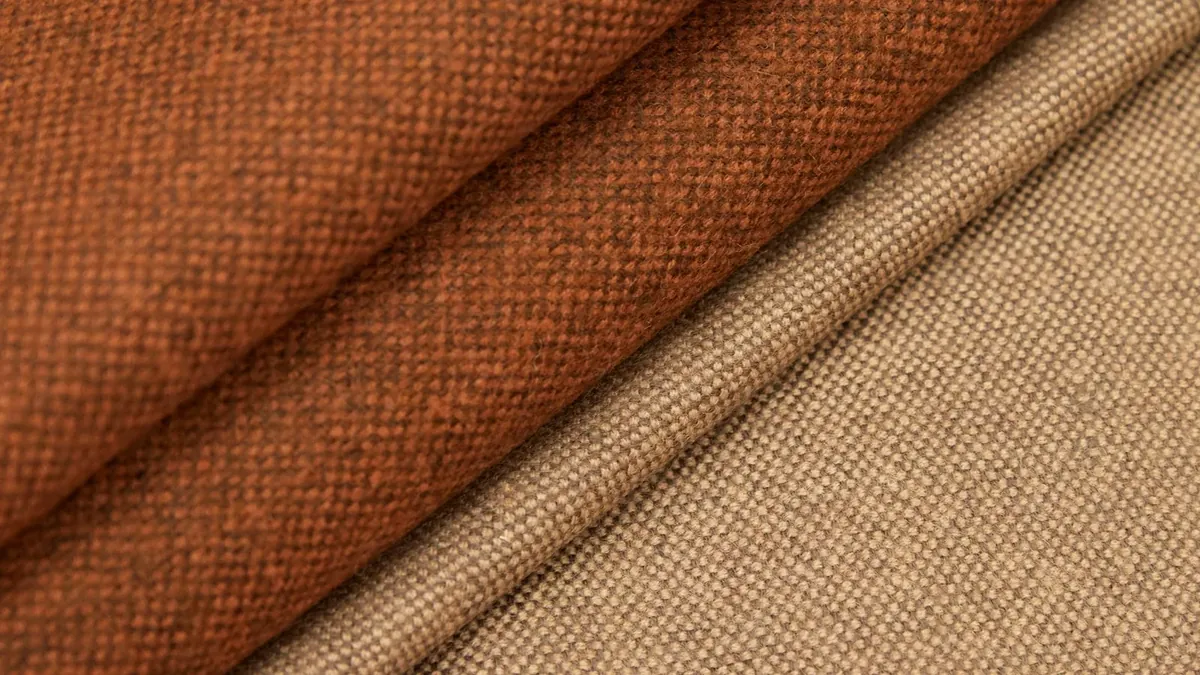
Specify weight, hand feel, stretch, and appearance
Weight should be recorded with the correct unit and tolerance, but it is only one dimension of quality. Density, yarn size, brushing, compaction, coating, and finishing influence thickness and hand feel. Stretch should be paired with recovery; a fabric direction that extends easily but stays bagged out may fail in use. For luxury clothing manufacturer, tie this decision to one named owner and an approval date so it cannot drift between sampling and bulk work.
Evaluate color in the intended light and check face-to-back appearance, luster, texture, transparency, and surface defects. If a design uses several panels or companion trims, establish shade and texture standards for the complete garment rather than approving each component in isolation. In the context of luxury clothing manufacturer, the evidence belongs in the same working pack as the measurements, swatches, artwork, and comments.
Engineer fit and construction together
The pattern must account for both the body and the material. Inspect points of measure, ease, grading, tolerances, movement, and approved sample dimensions. Then define seam type, stitch class, reinforcement, edge finish, closure, pocket construction, and tolerances. Details that appear small on a sketch can control comfort, durability, and sewing time. Applied to luxury clothing manufacturer, this checkpoint should answer one practical question about the custom apparel before more money or time is committed.
For this program family, pay particular attention to pattern accuracy, seam choice, reinforcement, closure installation, decoration placement, and finishing. Sample the highest-risk size or feature early. If the range includes substantially different silhouettes, do not assume one base pattern can be altered safely without a new fit review. A luxury clothing manufacturer project becomes easier to compare when this information is requested in the same format from every potential partner.
Match luxury clothing manufacturer to construction and decoration
The fabric direction must tolerate the planned sewing and decoration route. Consider needle cutting, seam puckering, feed behavior, edge curl, fraying, bulk, heat sensitivity, ink or adhesive compatibility, and how embroidery weight affects drape. Create trial seams and decoration strike-offs ahead of committing to bulk fabric direction. A luxury clothing manufacturer project becomes easier to compare when this information is requested in the same format from every potential partner.
For custom apparel production, construction control includes pattern accuracy, seam choice, reinforcement, closure installation, decoration placement, and finishing. A beautiful fabric can still be the wrong choice if it cannot hold the silhouette, survive finishing, accept the artwork, or meet the intended care instructions consistently. When planning luxury clothing manufacturer, keep the rationale beside the decision so later substitutions or revisions can be evaluated consistently.
Resolve fit and construction
Construction planning should document pattern accuracy, seam choice, reinforcement, closure installation, decoration placement, and finishing. Document seam and stitch expectations, reinforcements, edge finishes, closures, pockets, artwork placement, and tolerances. Evaluate how the garment moves and how bulk production will reproduce the approved details. When planning luxury clothing manufacturer, keep the rationale beside the decision so later substitutions or revisions can be evaluated consistently.
Sampling should check points of measure, ease, grading, tolerances, movement, and approved sample dimensions. Measure consistently, photograph issues, and return consolidated comments with the revised specification. Bulk approval should refer to a specific sample and document version. Within a luxury clothing manufacturer brief, mark whether this point is fixed, proposed by the factory, or still waiting for buyer approval.
Request a comparable quote
Send KNAPMOD the style brief, target quantity, size breakdown, colorways, material direction, customization, labels, packaging, delivery country, and timeline. Include any approved physical sample or test requirement and identify areas where recommendations are welcome. In a luxury clothing manufacturer review, connect this point to the customer use case and to the exact sample or document that will prove it.
A project-specific quote should make well-defined assumptions, inclusions, development costs, minimum conditions, payment stages, approval points, and estimated schedule. Comparing that scope is more reliable than comparing isolated unit prices. For a buyer researching luxury clothing manufacturer, a written answer is more useful than an assurance because it can be checked against the sample and quote.
Quick planning facts
- Project scope
- Quoted from your brief
- Sample review
- Approve details before bulk
- Private label
- Plan labels and packaging
Buyer checklist
- Original sketches, tech pack, sample garment, or clearly annotated references
- Requirements for points of measure, ease, grading, tolerances, movement, and approved sample dimensions
- Direction for fabric composition, weight, structure, finish, color, trims, labels, and packaging components
- Artwork, labels, packaging, quantities, sizes, colorways, and delivery country
- Target date, required testing, open decisions, and any fixed commercial limits
Common questions
What should I send for a luxury clothing manufacturer quote?
Send the product type, quantity, sizes, colorways, measurements or references, fabric direction, customization, labels, packaging, delivery country, and desired timeline.
Can development start without a complete tech pack?
References and a clear written brief can start a feasibility discussion, but measurements, materials, construction, artwork, and approvals must be documented before dependable bulk production.
Why is sampling important before bulk production?
Sampling makes fit, materials, construction, decoration, and finishing reviewable. For custom apparel, it is the practical point for correcting the specification before larger commitments.
Continue reading
How to Evaluate Private Label Apparel Manufacturers
Evaluate custom apparel manufacturers using evidence on materials, construction, samples, quality control, quote scope, communication, and production fit.
Read articleCustom Apparel Manufacturer
Plan custom apparel production with practical guidance on fabric, fit, construction, sampling, customization, quality checks, and a complete quote brief.
Read articleCustom Clothing Manufacturer
Plan custom apparel production with practical guidance on fabric, fit, construction, sampling, customization, quality checks, and a complete quote brief.
Read articleRelated products
Activewear & Sportswear
Plan performance garments around movement, fabric recovery, comfort, decoration compatibility, and the demands of the activity.
Explore productCaps, Hats & Accessories
Extend a collection with caps, hats, beanies, bags, socks, aprons, and other sewn goods developed around their own construction and branding needs.
Explore productHoodies & Sweatshirts
Develop pullover hoodies, zip-ups, crewnecks, and coordinated sweats with the fabric weight, fit, trims, and decoration your collection requires.
Explore productReady to discuss production?
Share your product idea, quantities, references, target fabric, and timeline. KNAPMOD can review the details and help you map the next production step.
Send your enquiry