
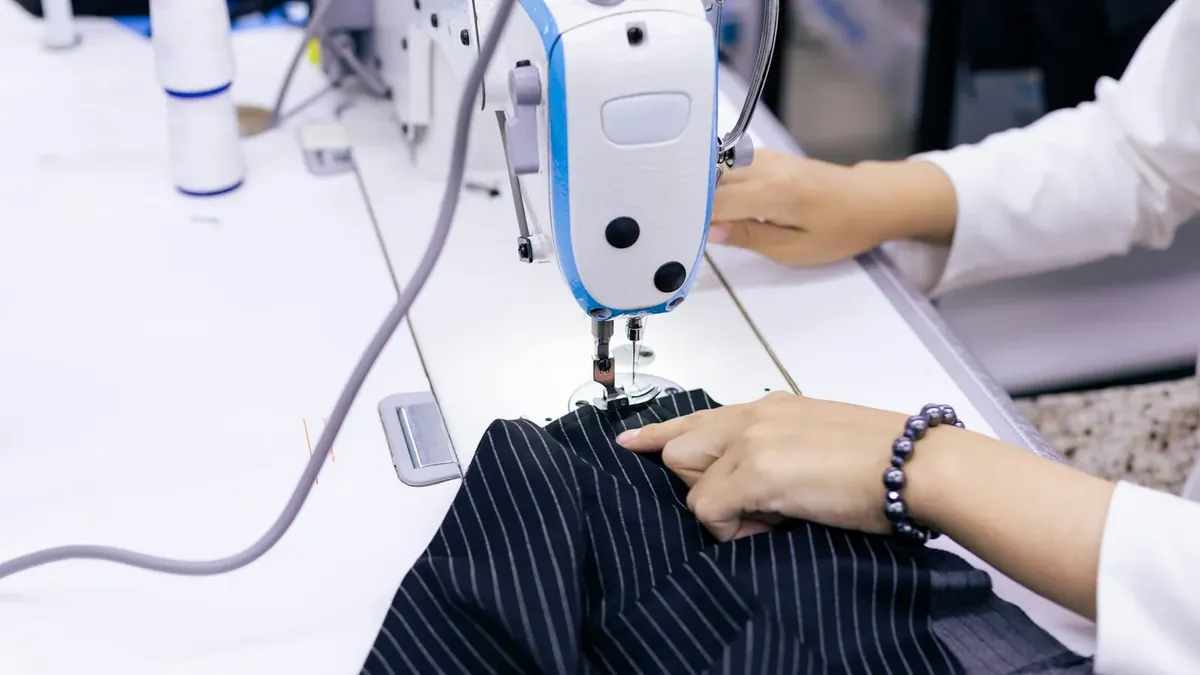
Cut-and-sew production builds garments from pattern pieces
In cut-and-sew manufacturing, fabric is spread and cut into pattern components, then assembled through sewing and finishing operations. The process route gives a brand control over silhouette, measurements, materials, construction, pockets, closures, and decoration rather than limiting the project to printing on a finished blank. On what is cut and sew manufacturing how it works, link the decision to its effect on fit, appearance, durability, cost, or schedule instead of treating it as an isolated preference.
That flexibility requires a stronger specification. Patterns, grade rules, markers, shrinkage, seam and stitch choices, reinforcement, artwork placement, labels, packing, and approved samples must work together. Development time and minimum conditions depend on the exact fabric and style rather than the phrase cut and sew alone. A what is cut and sew manufacturing how it works project becomes easier to compare when this information is requested in the same format from every potential partner.
Specify weight, hand feel, stretch, and appearance
Weight needs to be recorded with the correct unit and tolerance, but it is only one dimension of quality. Density, yarn size, brushing, compaction, coating, and finishing influence thickness and hand feel. Stretch needs to be paired with recovery; a material that extends easily but stays bagged out may fail in use. For what is cut and sew manufacturing how it works, the practical output is a traceable instruction that a sample maker, production team, and inspector can interpret the same way.
Evaluate color in the intended light and check face-to-back appearance, luster, texture, transparency, and surface defects. If a design uses several panels or companion trims, establish shade and texture standards for the complete garment rather than approving each component in isolation. A what is cut and sew manufacturing how it works project becomes easier to compare when this information is requested in the same format from every potential partner.
Write a production-ready material specification
The approved specification needs to name factory or mill reference, fiber content, construction, weight and tolerance, usable width, color standard, finish, stretch and recovery where relevant, care method, test requirements, defect limits, and substitute approval. Attach a sealed swatch when physical review is important. A what is cut and sew manufacturing how it works project becomes easier to compare when this information is requested in the same format from every potential partner.
Send KNAPMOD the style reference, intended use, quantities, colorways, target feel, performance needs, destination, and any approved fabric. That approach gives the sourcing discussion a practical starting point while leaving room to compare alternatives against the same criteria. When planning what is cut and sew manufacturing how it works, keep the rationale beside the decision so later substitutions or revisions can be evaluated consistently.
Match what is cut and sew manufacturing how it works to construction and decoration
The material must tolerate the planned sewing and decoration route. Consider needle cutting, seam puckering, feed behavior, edge curl, fraying, bulk, heat sensitivity, ink or adhesive compatibility, and how embroidery weight affects drape. Set up trial seams and decoration strike-offs in advance of committing to bulk material. Treat this part of what is cut and sew manufacturing how it works as a decision gate: unresolved details should remain visible instead of being converted into silent assumptions.
For custom apparel production, construction control includes pattern accuracy, seam choice, reinforcement, closure installation, decoration placement, and finishing. A beautiful fabric can still be the wrong choice if it cannot hold the silhouette, survive finishing, accept the artwork, or meet the intended care instructions consistently. On what is cut and sew manufacturing how it works, link the decision to its effect on fit, appearance, durability, cost, or schedule instead of treating it as an isolated preference.
Plan sourcing risk and bulk consistency
Verify stock status, production minimum, color minimum, lead time, repeat availability, lot size, and whether sampling fabric direction represents bulk. Request how shade bands, roll inspection, usable width, and defects are controlled. Set up approval time into the schedule for lab dips, strike-offs, or replacement swatches. For what is cut and sew manufacturing how it works, this is also a useful place to note the acceptance method, responsible person, and evidence needed to close the issue.
When a custom material is necessary, define ownership of the specification and what happens to excess quantity. When stock is acceptable, reserve enough for approved quantities and testing. Neither route is automatically better; the right choice balances distinctiveness, cash exposure, replenishment, and consistency. On what is cut and sew manufacturing how it works, link the decision to its effect on fit, appearance, durability, cost, or schedule instead of treating it as an isolated preference.
Compare MOQ, price, timing, and terms on one scope
MOQ is not a single measure of accessibility. Check whether the minimum applies per style, color, fabric, print, trim, or total order, and ask what changes when several sizes share one color. Compare development fees, sample charges, material minimums, packaging, testing, freight, duties, and payment terms separately from the unit price. A what is cut and sew manufacturing how it works project becomes easier to compare when this information is requested in the same format from every potential partner.
Request a stage-based schedule covering specification review, textile approval, sampling, revisions, bulk approval, production, inspection, packing, and transit. Treat unusually fast promises as questions to investigate. A practical schedule states its assumptions and identifies decisions that could move the date. Applied to what is cut and sew manufacturing how it works, this checkpoint should answer one practical question about the custom apparel before more money or time is committed.
Prepare the handoff to KNAPMOD
Send the current product brief, drawings or references, measurements, quantity, size range, fabric direction, decoration, labels, packaging, destination, and requested date. Include previous samples or test information when available and identify decisions that need manufacturing input. For what is cut and sew manufacturing how it works, this is also a useful place to note the acceptance method, responsible person, and evidence needed to close the issue.
The first review should establish feasibility, missing information, likely approval stages, and the next useful deliverable. That creates a stronger basis for quotation and sampling than asking for a final price before the item is defined. For what is cut and sew manufacturing how it works, the practical output is a traceable instruction that a sample maker, production team, and inspector can interpret the same way.
Continue reading
What Is Cut and Sew
Compare custom apparel options by silhouette, materials, fit, construction, testing, care, and collection role before preparing a production brief.
Read articleWhat Is a Jumper Dress and Women's Jumper Dresses
Compare dress and jumpsuit options by silhouette, materials, fit, construction, testing, care, and collection role before preparing a production brief.
Read articleWhat is a Trucker Hat? Trendy Fashion Accessory Explained
Compare hat and cap options by silhouette, materials, fit, construction, testing, care, and collection role before preparing a production brief.
Read articleRelated products
Activewear & Sportswear
Plan performance garments around movement, fabric recovery, comfort, decoration compatibility, and the demands of the activity.
Explore productCaps, Hats & Accessories
Extend a collection with caps, hats, beanies, bags, socks, aprons, and other sewn goods developed around their own construction and branding needs.
Explore productHoodies & Sweatshirts
Develop pullover hoodies, zip-ups, crewnecks, and coordinated sweats with the fabric weight, fit, trims, and decoration your collection requires.
Explore productReady to discuss production?
Share your product idea, quantities, references, target fabric, and timeline. KNAPMOD can review the details and help you map the next production step.
Send your enquiry