
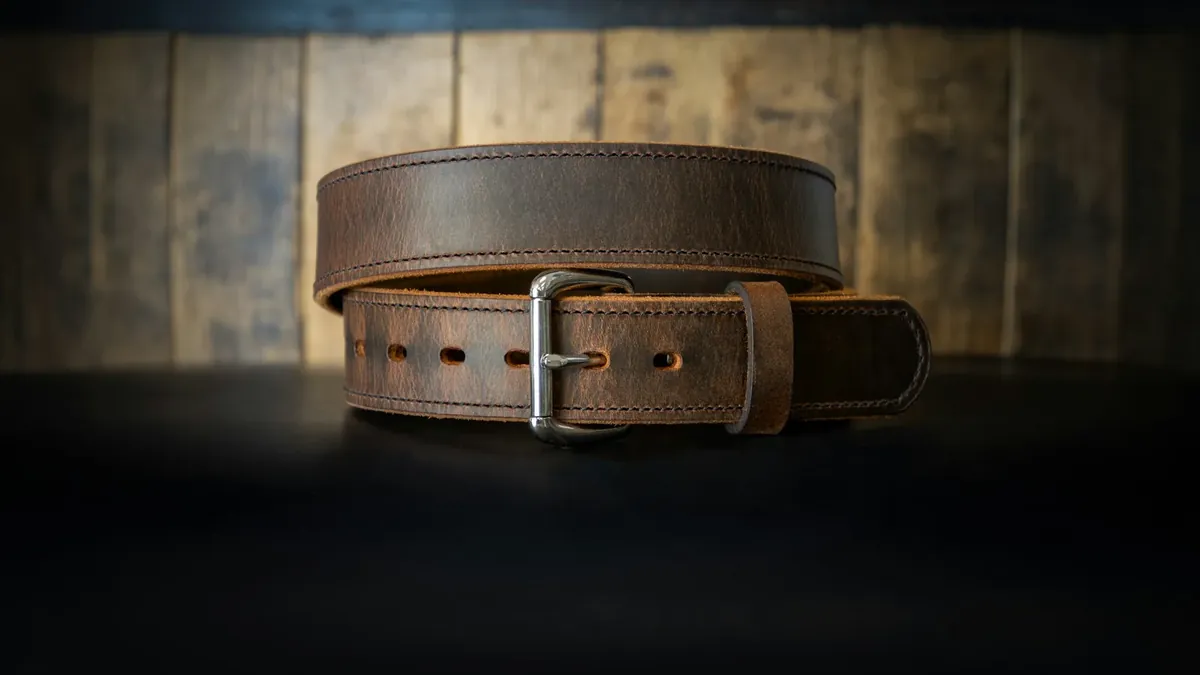
Define the belt program before searching
Shortlisting for how to evaluate belt manufacturers & factories for quality leather works best when the program brief comes before the vendor list. Write down the intended belt use, price position, materials, construction, branding, order shape, and destination. The result turns broad marketing claims into questions that can be compared on one basis. When planning how to evaluate belt manufacturers & factories for quality leather, keep the rationale beside the decision so later substitutions or revisions can be evaluated consistently.
Write down usable length, hole range, width, thickness, flexibility, and compatibility with intended garments. Add colorways, quantities by size, packaging, labels, destination, and the decisions that remain open. For garment capability, evidence, and production control, separate facts that need documents from preferences that can be judged in a sample. The result prevents an attractive website or low headline price from replacing proper due diligence. For how to evaluate belt manufacturers & factories for quality leather, this is also a useful place to note the acceptance method, responsible person, and evidence needed to close the issue.
Specify weight, hand feel, stretch, and appearance
Weight works when it is recorded with the correct unit and tolerance, but it is only one dimension of quality. Density, yarn size, brushing, compaction, coating, and finishing influence thickness and hand feel. Stretch works when it is paired with recovery; a material that extends easily but stays bagged out may fail in use. In a how to evaluate belt manufacturers & factories for quality leather review, connect this point to the customer use case and to the exact sample or document that will prove it.
Evaluate color in the intended light and check face-to-back appearance, luster, texture, transparency, and surface defects. If a design uses several panels or companion trims, establish shade and texture standards for the complete garment rather than approving each component in isolation. On how to evaluate belt manufacturers & factories for quality leather, link the decision to its effect on fit, appearance, durability, cost, or schedule instead of treating it as an isolated preference.
Match how to evaluate belt manufacturers & factories for quality leather to construction and decoration
The material must tolerate the planned sewing and decoration route. Consider needle cutting, seam puckering, feed behavior, edge curl, fraying, bulk, heat sensitivity, ink or adhesive compatibility, and how embroidery weight affects drape. Prepare trial seams and decoration strike-offs before committing to bulk material. In the context of how to evaluate belt manufacturers & factories for quality leather, the evidence belongs in the same working pack as the measurements, swatches, artwork, and comments.
For belt production, construction control includes buckle attachment, hole placement, edge finishing, stitching, keeper construction, and hardware alignment. A beautiful fabric can still be the wrong choice if it cannot hold the silhouette, survive finishing, accept the artwork, or meet the intended care instructions consistently. For a buyer researching how to evaluate belt manufacturers & factories for quality leather, a written answer is more useful than an assurance because it can be checked against the sample and quote.
Build a disciplined product scope
List each proposed style, color, size range, target quantity, launch role, and shared material. Remove products that duplicate the same customer need or require a separate supply chain without a specific commercial reason. Early collections benefit from depth in a few coherent products rather than shallow complexity. In a how to evaluate belt manufacturers & factories for quality leather review, connect this point to the customer use case and to the exact sample or document that will prove it.
For belt, define usable length, hole range, width, thickness, flexibility, and compatibility with intended garments. Add materials, construction, customization, labels, packaging, care, and destination project requirements. This development brief needs to be detailed enough for a manufacturer to identify open questions and quote assumptions. In the context of how to evaluate belt manufacturers & factories for quality leather, the evidence belongs in the same working pack as the measurements, swatches, artwork, and comments.
Test the exact color and finish
Testing has to match the final fabric direction, color, finish, decoration, and care route. Relevant checks may include tensile strength, flexing, finish adhesion, color transfer, hardware corrosion, and buckle cycling. Additional requirements depend on the item category, selling market, age group, intended use, and any performance or sustainability claim. For how to evaluate belt manufacturers & factories for quality leather, the practical output is a traceable instruction that a sample maker, production team, and inspector can interpret the same way.
Evaluate results against written acceptance criteria, not vague expectations. Measure and photograph before and after care trials, then record lot, method, result, and decision. A passing test from a different color, finish, or manufacturer may not represent the material being purchased. Within a how to evaluate belt manufacturers & factories for quality leather brief, mark whether this point is fixed, proposed by the factory, or still waiting for buyer approval.
Use sampling as a capability test
Sampling is the first practical test of communication and control. Give every shortlisted factory the same measurements, references, construction notes, artwork, and review format. Evaluate the sample against usable length, hole range, width, thickness, flexibility, and compatibility with intended garments rather than deciding only from photographs or general appearance. For a buyer researching how to evaluate belt manufacturers & factories for quality leather, a written answer is more useful than an assurance because it can be checked against the sample and quote.
Document each comment with a location, required change, measurement where possible, and supporting image. Have the supplier explain the supplier to return an updated specification or comment sheet prior to the next sample. A controlled revision trail shows whether approved decisions are likely to survive the move into bulk production. When planning how to evaluate belt manufacturers & factories for quality leather, keep the rationale beside the decision so later substitutions or revisions can be evaluated consistently.
Connect decisions to cost and timing
Every added color, custom trim, sample round, test, print setup, pattern, and packing variation can affect minimums, price, and schedule. Compare options while development is still flexible. Cost reduction should remove low-value complexity without weakening the program's fit, durability, or identity. In a how to evaluate belt manufacturers & factories for quality leather review, connect this point to the customer use case and to the exact sample or document that will prove it.
Set up a timeline from dependencies rather than a single promised date. Material approval, sample review, revisions, bulk booking, inspection, and transit each need an owner and realistic response time. Add contingency around novel processes and fixed launch commitments. For a buyer researching how to evaluate belt manufacturers & factories for quality leather, a written answer is more useful than an assurance because it can be checked against the sample and quote.
Continue reading
How to Evaluate T-Shirt Manufacturers (US, Pakistan, Global)
Evaluate T-shirt manufacturers using evidence on materials, construction, samples, quality control, quote scope, communication, and production fit.
Read articleHow to Evaluate Sportswear Manufacturers
Evaluate activewear manufacturers using evidence on materials, construction, samples, quality control, quote scope, communication, and production fit.
Read articleHow to Evaluate Australia Clothing Manufacturers & Factories
Evaluate custom apparel manufacturers using evidence on materials, construction, samples, quality control, quote scope, communication, and production fit.
Read articleRelated products
Leather Jackets
Plan leather outerwear around material character, panel construction, lining, hardware, fit, finishing, and the details that distinguish the style.
Explore productActivewear & Sportswear
Plan performance garments around movement, fabric recovery, comfort, decoration compatibility, and the demands of the activity.
Explore productCaps, Hats & Accessories
Extend a collection with caps, hats, beanies, bags, socks, aprons, and other sewn goods developed around their own construction and branding needs.
Explore productReady to discuss production?
Share your product idea, quantities, references, target fabric, and timeline. KNAPMOD can review the details and help you map the next production step.
Send your enquiry