
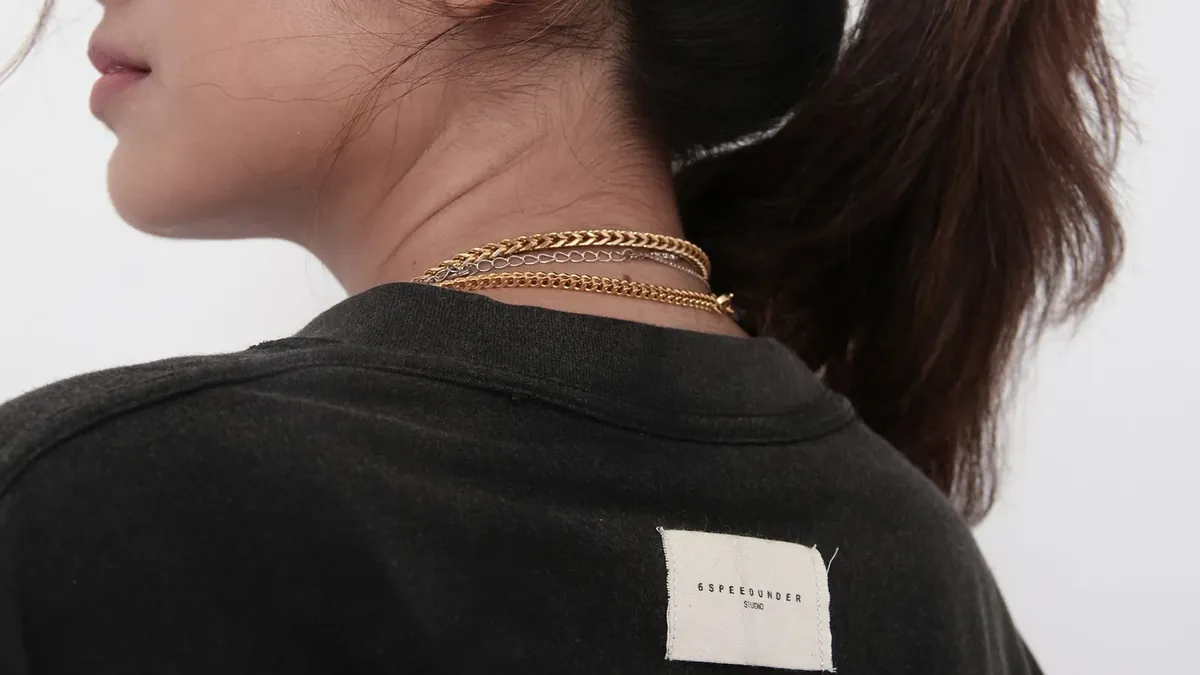
Private-label clothing is produced for the buyer's brand
Private-label apparel is developed or manufactured by a production partner and sold under the buyer's brand identity. The arrangement can range from adapting a proven base style to developing an original cut-and-sew product. The brief needs to show who owns designs, patterns, artwork, labels, packaging, and approved specifications. For how to evaluate private label clothing manufacturers, tie this decision to one named owner and an approval date so it cannot drift between sampling and bulk work.
A brand still needs to control program definition, testing, labeling, claims, and market project requirements. Private label is not a substitute for development work: fabric, fit, construction, decoration, care information, quantities, approvals, and quality standards must be documented in advance of dependable bulk production. Within a how to evaluate private label clothing manufacturers brief, mark whether this point is fixed, proposed by the factory, or still waiting for buyer approval.
Match how to evaluate private label clothing manufacturers to construction and decoration
The fabric direction must tolerate the planned sewing and decoration route. Consider needle cutting, seam puckering, feed behavior, edge curl, fraying, bulk, heat sensitivity, ink or adhesive compatibility, and how embroidery weight affects drape. Set up trial seams and decoration strike-offs ahead of committing to bulk fabric direction. For how to evaluate private label clothing manufacturers, this is also a useful place to note the acceptance method, responsible person, and evidence needed to close the issue.
For custom apparel production, construction control includes pattern accuracy, seam choice, reinforcement, closure installation, decoration placement, and finishing. A beautiful fabric can still be the wrong choice if it cannot hold the silhouette, survive finishing, accept the artwork, or meet the intended care instructions consistently. Within a how to evaluate private label clothing manufacturers brief, mark whether this point is fixed, proposed by the factory, or still waiting for buyer approval.
Develop and validate the product
Create sampling to validate fit, material, function, appearance, construction, decoration, labels, packaging, and care. For this style family, development may involve fabric composition, weight, structure, finish, color, trims, labels, and packaging components and controls around pattern accuracy, seam choice, reinforcement, closure installation, decoration placement, and finishing. Record comments and approvals instead of relying on memory or chat history. Within a how to evaluate private label clothing manufacturers brief, mark whether this point is fixed, proposed by the factory, or still waiting for buyer approval.
Relevant checks can include dimensional stability, colorfastness, seam strength, pilling, appearance, and decoration durability. Add wear trials or user feedback where appropriate. A sample is not proof of demand, but it can prevent an unclear idea from becoming an expensive bulk order and can produce more credible photography and pre-launch testing. On how to evaluate private label clothing manufacturers, link the decision to its effect on fit, appearance, durability, cost, or schedule instead of treating it as an isolated preference.
Sequence development and approvals
Break how to evaluate private label clothing manufacturers into reviewable gates: feasibility, material direction, pattern or setup, prototype, fit or strike-off review, revised sample, size validation where needed, bulk approval, production control, and final inspection. The exact sequence changes by program and customization method. For a buyer researching how to evaluate private label clothing manufacturers, a written answer is more useful than an assurance because it can be checked against the sample and quote.
Each gate should name the sample or evidence being approved and what remains open. Avoid let partial approval become assumed approval of the entire garment. Capture comments in one place, close contradictions, and return an updated specification before the next stage starts. In a how to evaluate private label clothing manufacturers review, connect this point to the customer use case and to the exact sample or document that will prove it.
Control the highest-risk details early
For custom apparel, early risk review includes pattern accuracy, seam choice, reinforcement, closure installation, decoration placement, and finishing. Test unfamiliar materials, difficult seams, dense decoration, custom hardware, unusual washes, and tight tolerances in advance of bulk commitments. A small trial can expose interactions that a flat drawing cannot show. For how to evaluate private label clothing manufacturers, the practical output is a traceable instruction that a sample maker, production team, and inspector can interpret the same way.
Rank issues by customer impact, safety or compliance relevance, probability, and cost of correction. Resolve the few details capable of forcing a redesign first. Cosmetic refinements should not distract from fit, function, material stability, and repeatable construction. In the context of how to evaluate private label clothing manufacturers, the evidence belongs in the same working pack as the measurements, swatches, artwork, and comments.
Score evidence and prepare the enquiry
Use a written scorecard for garment fit, technical response, sample execution, document quality, communication, commercial clarity, and risk handling. Hold private-label scope, ownership, and brand finishing evidence separate from sales language. References and certifications is best when checked with the issuer or owner where they are fabric to the buying decision. When planning how to evaluate private label clothing manufacturers, keep the rationale beside the decision so later substitutions or revisions can be evaluated consistently.
Before contacting KNAPMOD about a custom apparel project, prepare the program type, quantities, sizes, fabric direction, artwork, labels, packaging, destination, and desired timeline. The goal of the first exchange is to identify missing information and a realistic next step, not to force a final price from an incomplete brief. For how to evaluate private label clothing manufacturers, this is also a useful place to note the acceptance method, responsible person, and evidence needed to close the issue.
Test the exact color and finish
Testing needs to be based on the final textile, color, finish, decoration, and care route. Relevant checks may include dimensional stability, colorfastness, seam strength, pilling, appearance, and decoration durability. Additional criteria depend on the garment category, selling market, age group, intended use, and any performance or sustainability claim. Applied to how to evaluate private label clothing manufacturers, this checkpoint should answer one practical question about the custom apparel before more money or time is committed.
Review results against written acceptance criteria, not vague expectations. Measure and photograph before and after care trials, then record lot, method, result, and decision. A passing test from a different color, finish, or vendor may not represent the fabric direction being purchased. When planning how to evaluate private label clothing manufacturers, keep the rationale beside the decision so later substitutions or revisions can be evaluated consistently.
Continue reading
How to Evaluate Private Label Apparel Manufacturers
Evaluate custom apparel manufacturers using evidence on materials, construction, samples, quality control, quote scope, communication, and production fit.
Read articleHow to Evaluate T-Shirt Manufacturers (US, Pakistan, Global)
Evaluate T-shirt manufacturers using evidence on materials, construction, samples, quality control, quote scope, communication, and production fit.
Read articleHow to Evaluate Athletic Wear Manufacturers (USA, Pakistan, Global)
Evaluate activewear manufacturers using evidence on materials, construction, samples, quality control, quote scope, communication, and production fit.
Read articleRelated products
Activewear & Sportswear
Plan performance garments around movement, fabric recovery, comfort, decoration compatibility, and the demands of the activity.
Explore productCaps, Hats & Accessories
Extend a collection with caps, hats, beanies, bags, socks, aprons, and other sewn goods developed around their own construction and branding needs.
Explore productHoodies & Sweatshirts
Develop pullover hoodies, zip-ups, crewnecks, and coordinated sweats with the fabric weight, fit, trims, and decoration your collection requires.
Explore productReady to discuss production?
Share your product idea, quantities, references, target fabric, and timeline. KNAPMOD can review the details and help you map the next production step.
Send your enquiry