
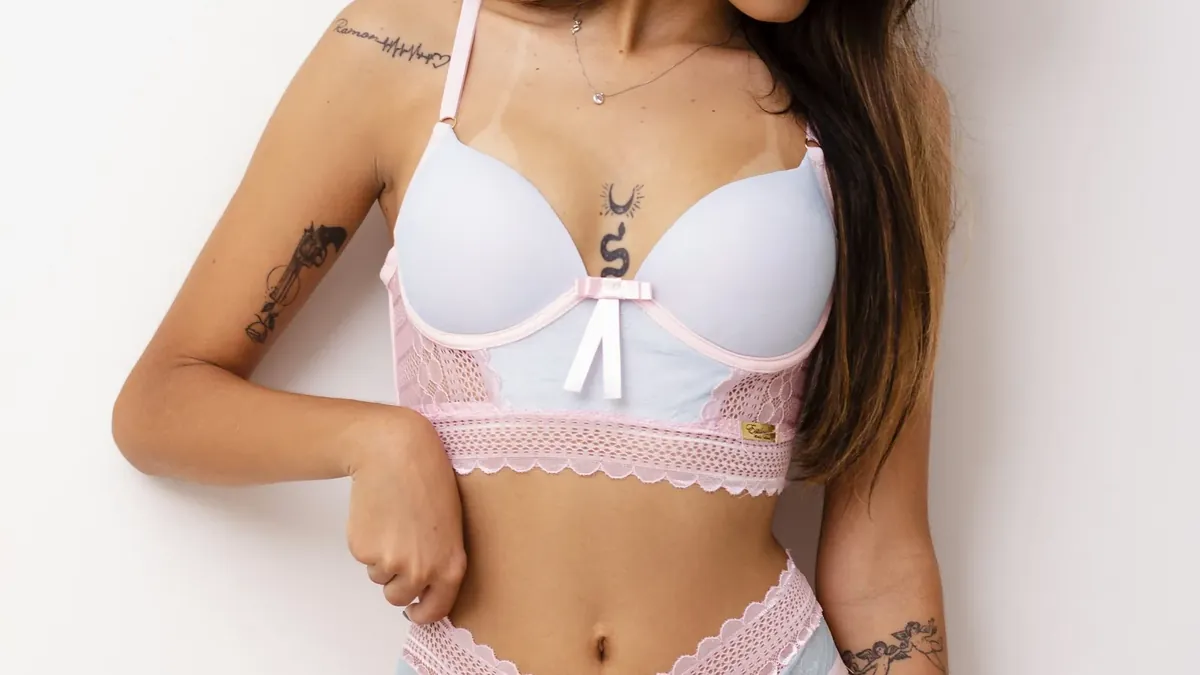
Use custom apparel types as a design system
A list of styles is useful only when it supports a program decision. For types of bras: complete guide to styles, fit & function, compare silhouette, intended use, customer, climate, price position, and the manufacturing complexity each option adds. Two styles can share a name while differing materially in proportion, construction, and performance. For types of bras: complete guide to styles, fit & function, this is also a useful place to note the acceptance method, responsible person, and evidence needed to close the issue.
Common directions include T-shirt, balconette, plunge, full-cup, strapless, bralette, minimizer, nursing, sports, and longline bra. Treat these as families rather than fixed formulas. A brand can adjust length, volume, opening shape, closure, paneling, pockets, and finishing, but every change should serve the customer and remain clear in the technical brief. Within a types of bras: complete guide to styles, fit & function brief, mark whether this point is fixed, proposed by the factory, or still waiting for buyer approval.
Engineer fit and construction together
The pattern must account for both the body and the material. Evaluate points of measure, ease, grading, tolerances, movement, and approved sample dimensions. Then define seam type, stitch class, reinforcement, edge finish, closure, pocket construction, and tolerances. Details that appear small on a sketch can control comfort, durability, and sewing time. For a buyer researching types of bras: complete guide to styles, fit & function, a written answer is more useful than an assurance because it can be checked against the sample and quote.
For this product family, pay particular attention to pattern accuracy, seam choice, reinforcement, closure installation, decoration placement, and finishing. Sample the highest-risk size or feature early. If the range includes substantially different silhouettes, do not assume one base pattern can be altered safely without a new fit review. In the context of types of bras: complete guide to styles, fit & function, the evidence belongs in the same working pack as the measurements, swatches, artwork, and comments.
Match types of bras: complete guide to styles, fit & function to construction and decoration
The fabric direction must tolerate the planned sewing and decoration route. Consider needle cutting, seam puckering, feed behavior, edge curl, fraying, bulk, heat sensitivity, ink or adhesive compatibility, and how embroidery weight affects drape. Set up trial seams and decoration strike-offs ahead of committing to bulk fabric direction. For a buyer researching types of bras: complete guide to styles, fit & function, a written answer is more useful than an assurance because it can be checked against the sample and quote.
For custom apparel production, construction control includes pattern accuracy, seam choice, reinforcement, closure installation, decoration placement, and finishing. A beautiful fabric can still be the wrong choice if it cannot hold the silhouette, survive finishing, accept the artwork, or meet the intended care instructions consistently. In a types of bras: complete guide to styles, fit & function review, connect this point to the customer use case and to the exact sample or document that will prove it.
Measure quality with relevant evidence
Quality checks may include dimensional stability, colorfastness, seam strength, pilling, appearance, and decoration durability. Select methods and acceptance criteria for the actual market, use, textile, color, and care route. A generic inspection checklist is helpful for workmanship but does not replace garment-specific testing or legal review. When planning types of bras: complete guide to styles, fit & function, keep the rationale beside the decision so later substitutions or revisions can be evaluated consistently.
Organize test reports, measurement results, approved swatches, artwork, sample photos, and corrective actions tied to the same style and version. When something fails, document the cause, proposed change, retest, and approval rather than accepting an undocumented verbal adjustment. For types of bras: complete guide to styles, fit & function, this is also a useful place to note the acceptance method, responsible person, and evidence needed to close the issue.
Build a product-specific quality plan
A quality plan for custom apparel works best when it includes incoming materials, measurements, workmanship, function, decoration, labels, packing, and the agreed inspection stage. Product testing may include dimensional stability, colorfastness, seam strength, pilling, appearance, and decoration durability. The relevant methods and acceptance levels depend on program, market, intended use, and any claims made to customers. For types of bras: complete guide to styles, fit & function, tie this decision to one named owner and an approval date so it cannot drift between sampling and bulk work.
Check who checks work during production, how nonconforming pieces are handled, and which records are available. Approval samples, shade standards, measurement charts, artwork files, and packing instructions should have well-defined versions. Final inspection cannot correct a weak specification or uncontrolled material change made earlier. A types of bras: complete guide to styles, fit & function project becomes easier to compare when this information is requested in the same format from every potential partner.
Control the highest-risk details early
For custom apparel, early risk review includes pattern accuracy, seam choice, reinforcement, closure installation, decoration placement, and finishing. Test unfamiliar materials, difficult seams, dense decoration, custom hardware, unusual washes, and tight tolerances before bulk commitments. A small trial can expose interactions that a flat drawing cannot show. Within a types of bras: complete guide to styles, fit & function brief, mark whether this point is fixed, proposed by the factory, or still waiting for buyer approval.
Rank issues by customer impact, safety or compliance relevance, probability, and cost of correction. Resolve the few details capable of forcing a redesign first. Cosmetic refinements should not distract from fit, function, fabric stability, and repeatable construction. For types of bras: complete guide to styles, fit & function, this is also a useful place to note the acceptance method, responsible person, and evidence needed to close the issue.
Score evidence and prepare the enquiry
Work with a written scorecard for garment fit, technical response, sample execution, document quality, communication, commercial clarity, and risk handling. Maintain garment capability, evidence, and production control evidence separate from sales language. References and certifications should be checked with the issuer or owner where they are fabric direction to the buying decision. A types of bras: complete guide to styles, fit & function project becomes easier to compare when this information is requested in the same format from every potential partner.
Before contacting KNAPMOD about a custom apparel project, prepare the item type, quantities, sizes, fabric direction, artwork, labels, packaging, destination, and desired timeline. The goal of the first exchange is to identify missing information and a realistic next step, not to force a final price from an incomplete brief. For types of bras: complete guide to styles, fit & function, the practical output is a traceable instruction that a sample maker, production team, and inspector can interpret the same way.
Continue reading
Types of Sports Bras: Styles & Support Guide for Women
Compare custom apparel options by silhouette, materials, fit, construction, testing, care, and collection role before preparing a production brief.
Read articleTypes of Baseball Hats Explore Popular Styles and Trends
Compare custom apparel options by silhouette, materials, fit, construction, testing, care, and collection role before preparing a production brief.
Read articleTypes of Swimsuits: A Guide to Styles, Fits & Trends
Compare custom apparel options by silhouette, materials, fit, construction, testing, care, and collection role before preparing a production brief.
Read articleRelated products
Activewear & Sportswear
Plan performance garments around movement, fabric recovery, comfort, decoration compatibility, and the demands of the activity.
Explore productCaps, Hats & Accessories
Extend a collection with caps, hats, beanies, bags, socks, aprons, and other sewn goods developed around their own construction and branding needs.
Explore productHoodies & Sweatshirts
Develop pullover hoodies, zip-ups, crewnecks, and coordinated sweats with the fabric weight, fit, trims, and decoration your collection requires.
Explore productReady to discuss production?
Share your product idea, quantities, references, target fabric, and timeline. KNAPMOD can review the details and help you map the next production step.
Send your enquiry