Start with a specific customer and problem
Types of Hats to Consider Before Starting a Hat Brand begins with evidence about a customer, not a broad wish to sell clothing. Document who will buy, when the style is used, what current options get wrong, the expected price range, and why the proposed offer is meaningfully different. Interviews, store observation, search behavior, returns, and small tests are more useful than assumptions. For a buyer researching types of hats to consider before starting a hat brand, a written answer is more useful than an assurance because it can be checked against the sample and quote.
Turn the research into a one-sentence proposition and a narrow opening range. If the project includes hat and cap, decide which use case and customer matter first. A focused garment promise makes design, sourcing, photography, pricing, and marketing decisions easier to judge. For types of hats to consider before starting a hat brand, tie this decision to one named owner and an approval date so it cannot drift between sampling and bulk work.
Match types of hats to consider before starting a hat brand to construction and decoration
The material must tolerate the planned sewing and decoration route. Consider needle cutting, seam puckering, feed behavior, edge curl, fraying, bulk, heat sensitivity, ink or adhesive compatibility, and how embroidery weight affects drape. Develop trial seams and decoration strike-offs before committing to bulk material. When planning types of hats to consider before starting a hat brand, keep the rationale beside the decision so later substitutions or revisions can be evaluated consistently.
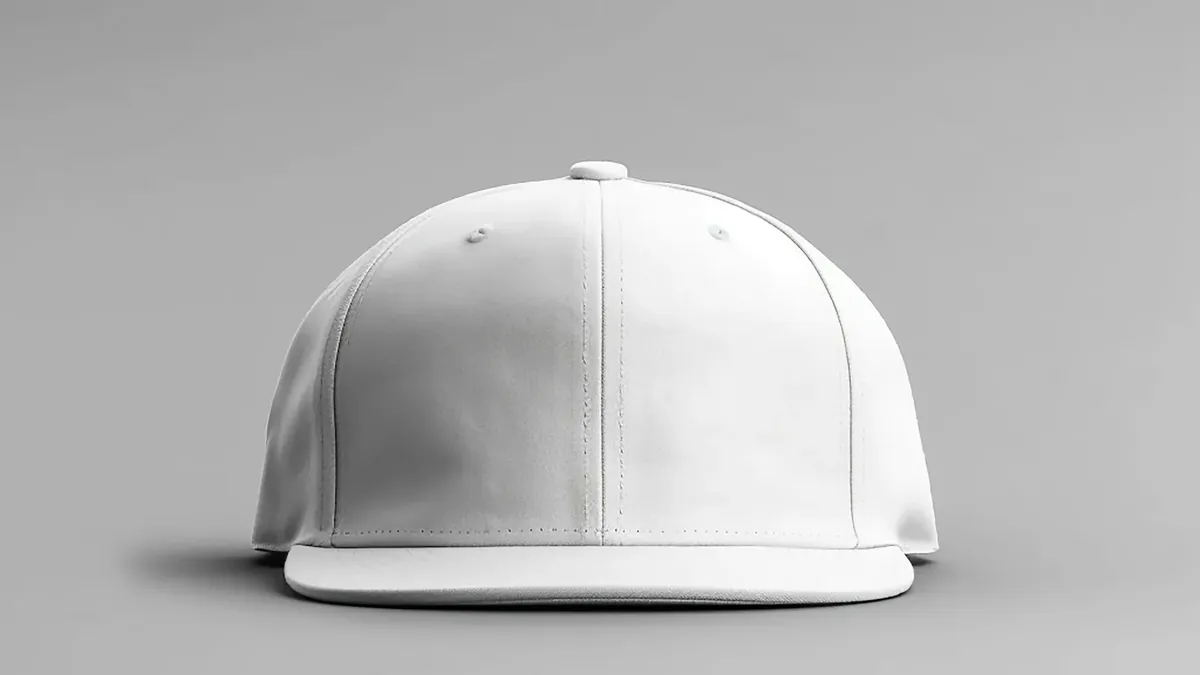
For hat and cap production, construction control includes crown shape, panel symmetry, brim curve, seam alignment, sweatband attachment, and closure security. A beautiful fabric can still be the wrong choice if it cannot hold the silhouette, survive finishing, accept the artwork, or meet the intended care instructions consistently. For a buyer researching types of hats to consider before starting a hat brand, a written answer is more useful than an assurance because it can be checked against the sample and quote.
Choose materials that support the shape
Material direction for hat and cap may include cotton twill, canvas, performance woven fabric, mesh, buckram, sweatbands, closures, and eyelets. Match weight, drape, stretch, recovery, opacity, warmth, and surface to the silhouette. A structured style may collapse in a fluid fabric, while a close fit can become uncomfortable if recovery or breathability is weak. A types of hats to consider before starting a hat brand project becomes easier to compare when this information is requested in the same format from every potential partner.
Approve physical swatches whenever hand feel and stretch matter. Note face and back, finish, color standard, care, and any companion rib, lining, elastic, or hardware. Test the material after the proposed decoration and wash process, since those steps can change appearance and dimensions. Applied to types of hats to consider before starting a hat brand, this checkpoint should answer one practical question about the hat and cap before more money or time is committed.
Plan decoration and brand finishing
Choose print, embroidery, appliqué, patches, washes, trims, and labels after considering textile behavior and seam placement. Artwork scale works when it is checked on the intended size range, not only on a digital mockup. Heavy or stiff decoration can change drape and comfort. For types of hats to consider before starting a hat brand, this is also a useful place to note the acceptance method, responsible person, and evidence needed to close the issue.
Coordinate woven labels, printed labels, care information, hang tags, and packaging with the item hierarchy. Brand finishing should specify the collection without obscuring function. Capture artwork versions, colors, placement measurements, backing, and acceptable appearance in the approval pack. For types of hats to consider before starting a hat brand, tie this decision to one named owner and an approval date so it cannot drift between sampling and bulk work.
Sample and test the selected direction
Create the sample to assess silhouette, movement, comfort, balance, construction, decoration, and care. Product-relevant checks can include shape retention, colorfastness, seam strength, closure cycling, embroidery puckering, and sweatband performance. Requirements vary by selling market and intended use, so confirm any regulated or performance claim with qualified guidance and suitable evidence. For types of hats to consider before starting a hat brand, tie this decision to one named owner and an approval date so it cannot drift between sampling and bulk work.
Write comments against the specification and keep approved measurements, swatches, trims, artwork, and photos together. A final sample should represent the bulk standard closely enough that production teams and inspectors can make consistent decisions. Treat this part of types of hats to consider before starting a hat brand as a decision gate: unresolved details should remain visible instead of being converted into silent assumptions.
Build a product-specific quality plan
A quality plan for hat and cap works best when it includes incoming materials, measurements, workmanship, function, decoration, labels, packing, and the agreed inspection stage. Product testing may include shape retention, colorfastness, seam strength, closure cycling, embroidery puckering, and sweatband performance. The relevant methods and acceptance levels depend on program, market, intended use, and any claims made to customers. For a buyer researching types of hats to consider before starting a hat brand, a written answer is more useful than an assurance because it can be checked against the sample and quote.
Require clarity on who checks work during production, how nonconforming pieces are handled, and which records are available. Approval samples, shade standards, measurement charts, artwork files, and packing instructions should have well-defined versions. Final inspection cannot correct a weak specification or uncontrolled material change made earlier. For types of hats to consider before starting a hat brand, tie this decision to one named owner and an approval date so it cannot drift between sampling and bulk work.
Connect decisions to cost and timing
Every added color, custom trim, sample round, test, print setup, pattern, and packing variation can affect minimums, price, and schedule. Set side by side options while development is still flexible. Cost reduction should remove low-value complexity without weakening the style's fit, durability, or identity. For types of hats to consider before starting a hat brand, this is also a useful place to note the acceptance method, responsible person, and evidence needed to close the issue.
Create a timeline from dependencies rather than a single promised date. Material approval, sample review, revisions, bulk booking, inspection, and transit each need an owner and realistic response time. Add contingency around novel processes and fixed launch commitments. For types of hats to consider before starting a hat brand, the practical output is a traceable instruction that a sample maker, production team, and inspector can interpret the same way.
Continue reading
Types of Jumpsuits You Can Launch for Your Clothing Brand
Plan a stronger apparel offer with practical guidance on customer focus, product scope, development, costing, sampling, sourcing, and launch decisions.
Read articleStarting a Clothing Brand Complete Business Guide
Plan a stronger apparel offer with practical guidance on customer focus, product scope, development, costing, sampling, sourcing, and launch decisions.
Read articleStarting a Loungewear Business Brand: Everything You Need to Know
Plan a stronger apparel offer with practical guidance on customer focus, product scope, development, costing, sampling, sourcing, and launch decisions.
Read articleRelated products
Caps, Hats & Accessories
Extend a collection with caps, hats, beanies, bags, socks, aprons, and other sewn goods developed around their own construction and branding needs.
Explore productActivewear & Sportswear
Plan performance garments around movement, fabric recovery, comfort, decoration compatibility, and the demands of the activity.
Explore productHoodies & Sweatshirts
Develop pullover hoodies, zip-ups, crewnecks, and coordinated sweats with the fabric weight, fit, trims, and decoration your collection requires.
Explore productReady to discuss production?
Share your product idea, quantities, references, target fabric, and timeline. KNAPMOD can review the details and help you map the next production step.
Send your enquiry