Sampling and bulk production are separate stages. We confirm the quantity breakdown, material availability, start dates and approval requirements in your quotation. Shipping transit is additional to production time.
KNAPMOD manufactures custom sportswear and activewear in Sialkot, Pakistan, for fitness brands, gyms and teams. Define your fabrics, fit, logos and intended activity before sampling and production.
Built for the way your customers move.
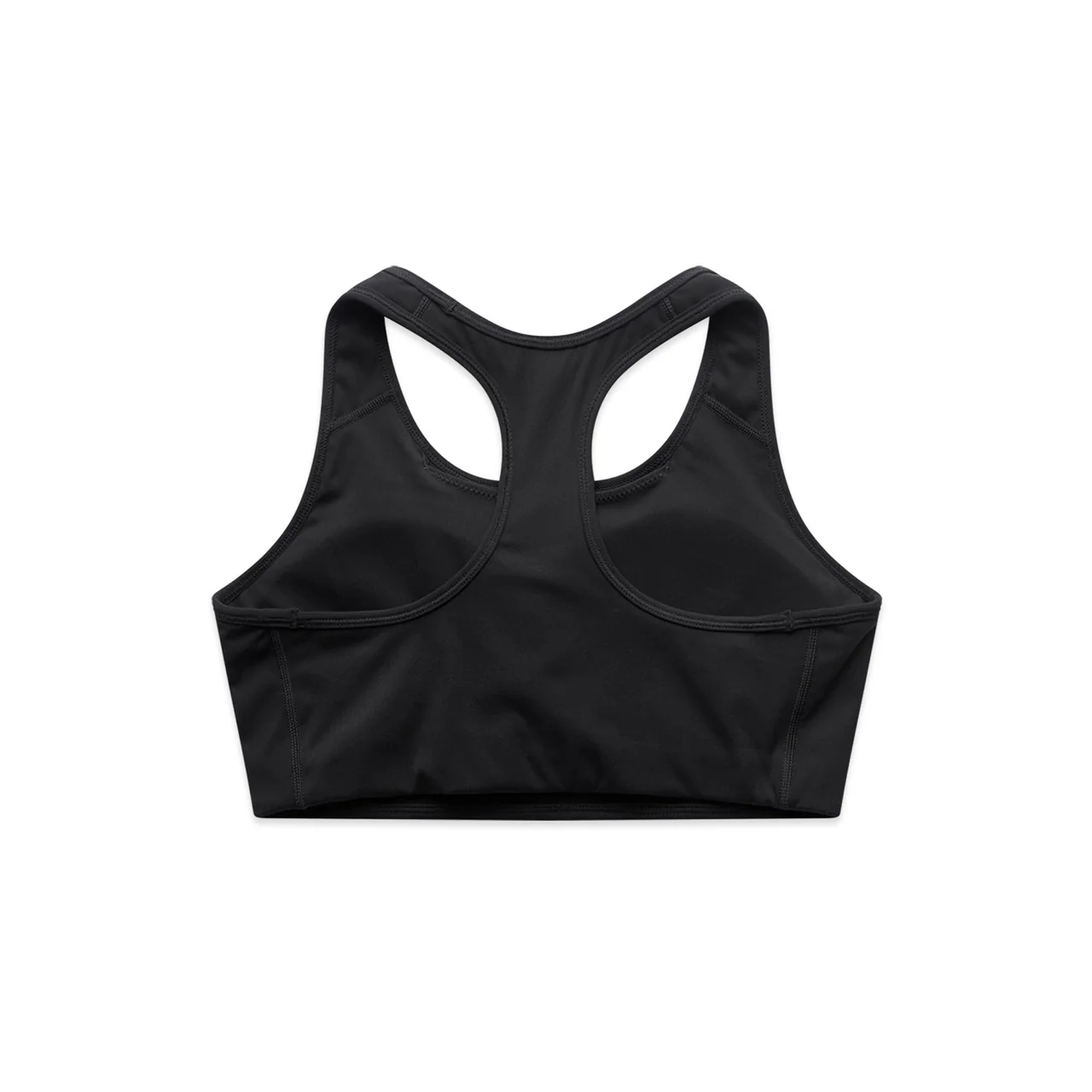
Training tops and gym tanks
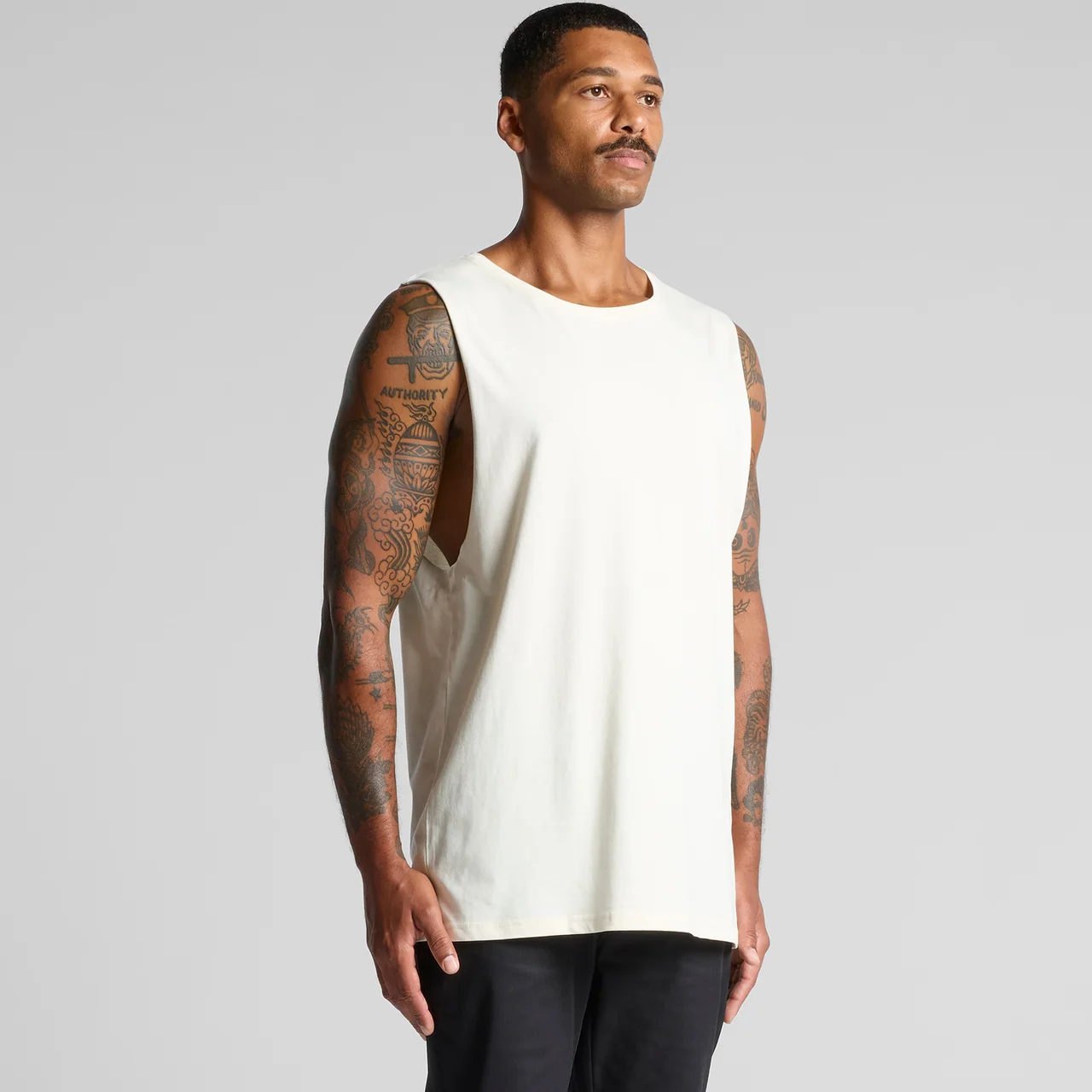
Training tees, fitted tops, racerback tanks, loose tanks, and cropped silhouettes can serve different customers and activities. Define the intended coverage, armhole shape, sleeve length, and ease through the body. A top that looks right when standing may behave differently during reaching, bending, or lifting.
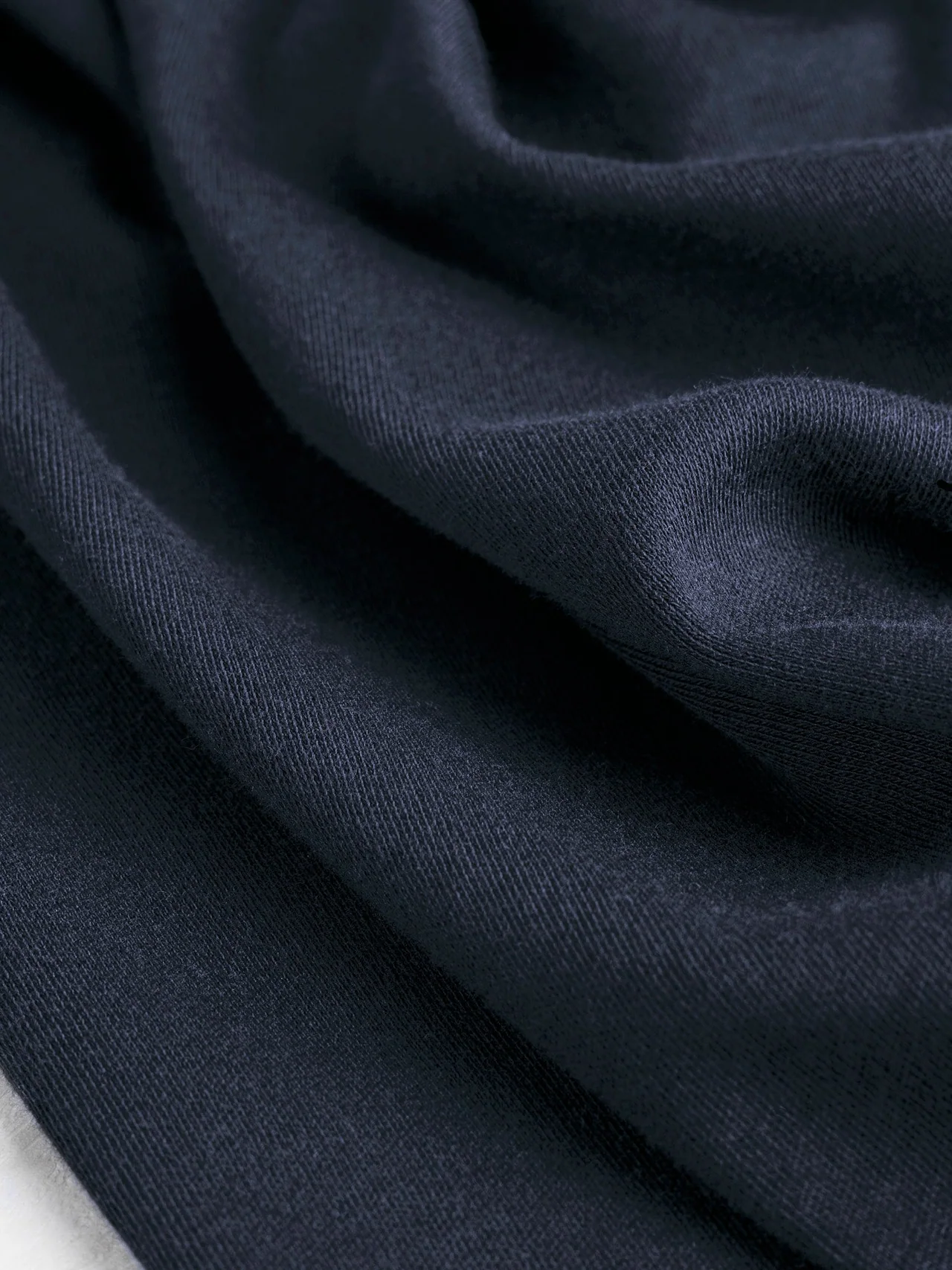
Material weight and surface feel should match the use. A soft lifestyle jersey and a technical training material offer different starting points. If moisture management is important, specify the required behavior rather than relying on a performance-fabric label without further detail.
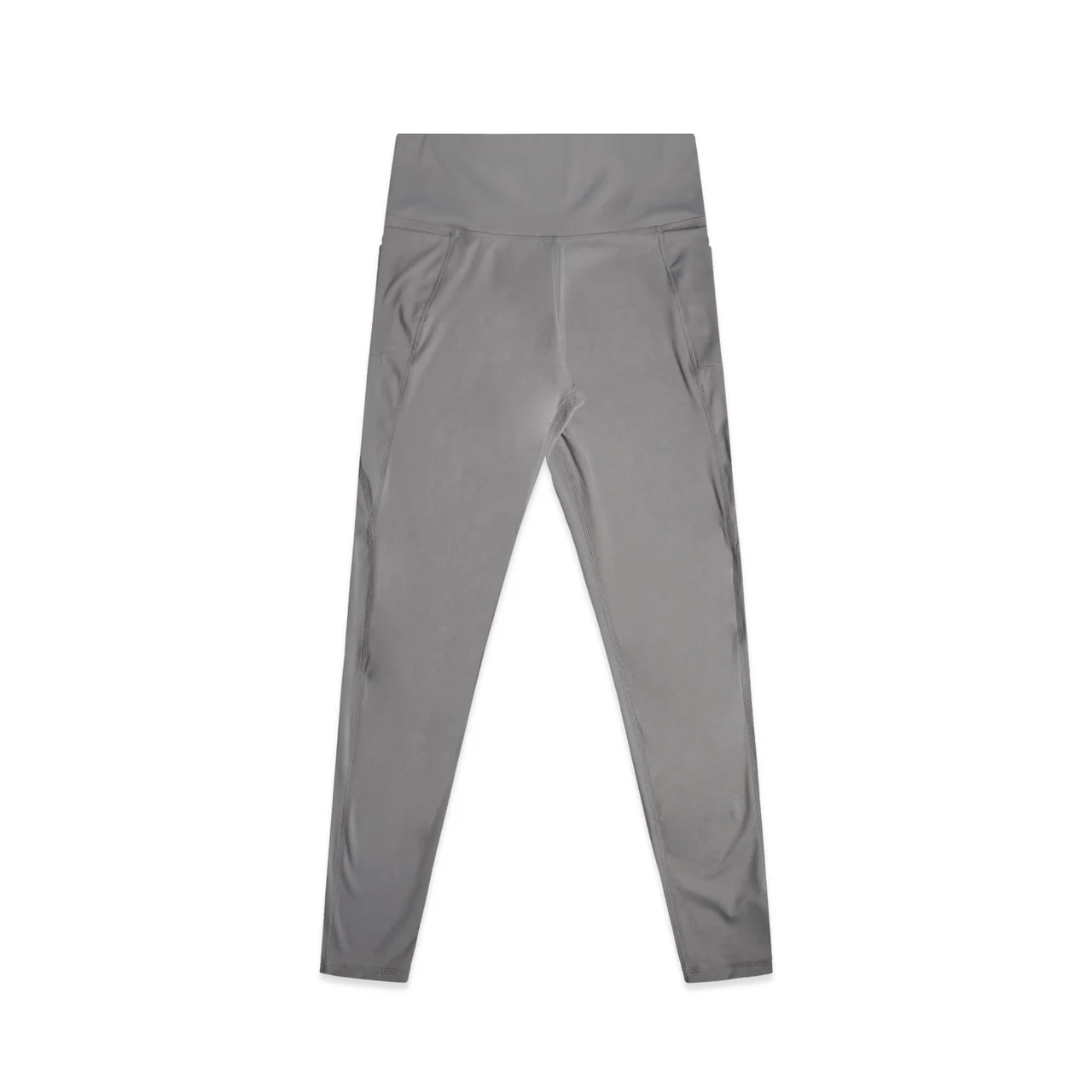
Leggings, shorts, and coordinated sets
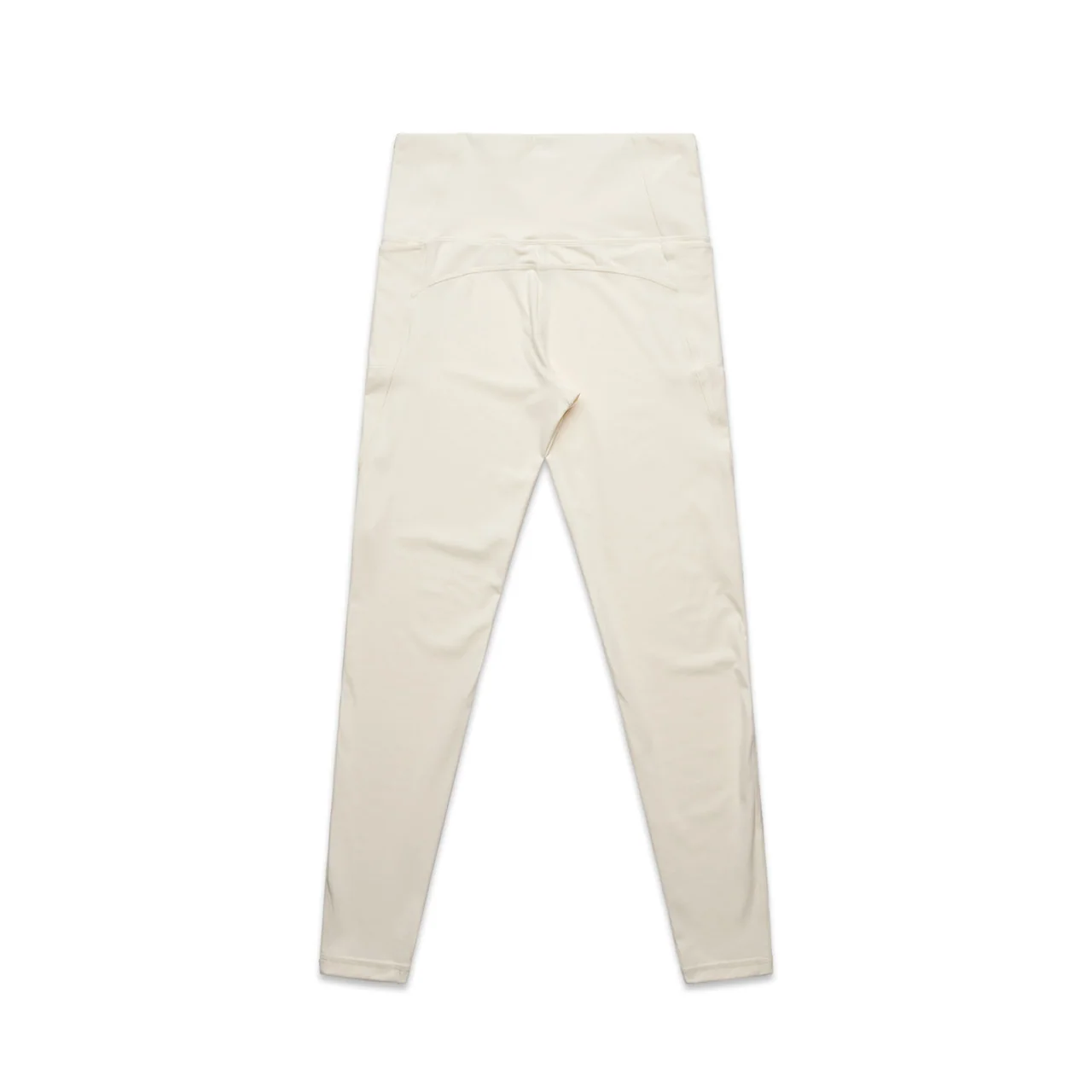
Fitted bottoms need a considered relationship between stretch, recovery, opacity, waistband design, and seam placement. Running shorts and studio leggings require different patterns and movement checks, even if both sit within one activewear range.
For sets, review tops and bottoms together for color, texture, and overall balance. Matching color names do not guarantee matching appearance across different materials. The custom bottoms manufacturing overview explains the shared fit and construction decisions in more detail.
Sports bras and close-fitting tops
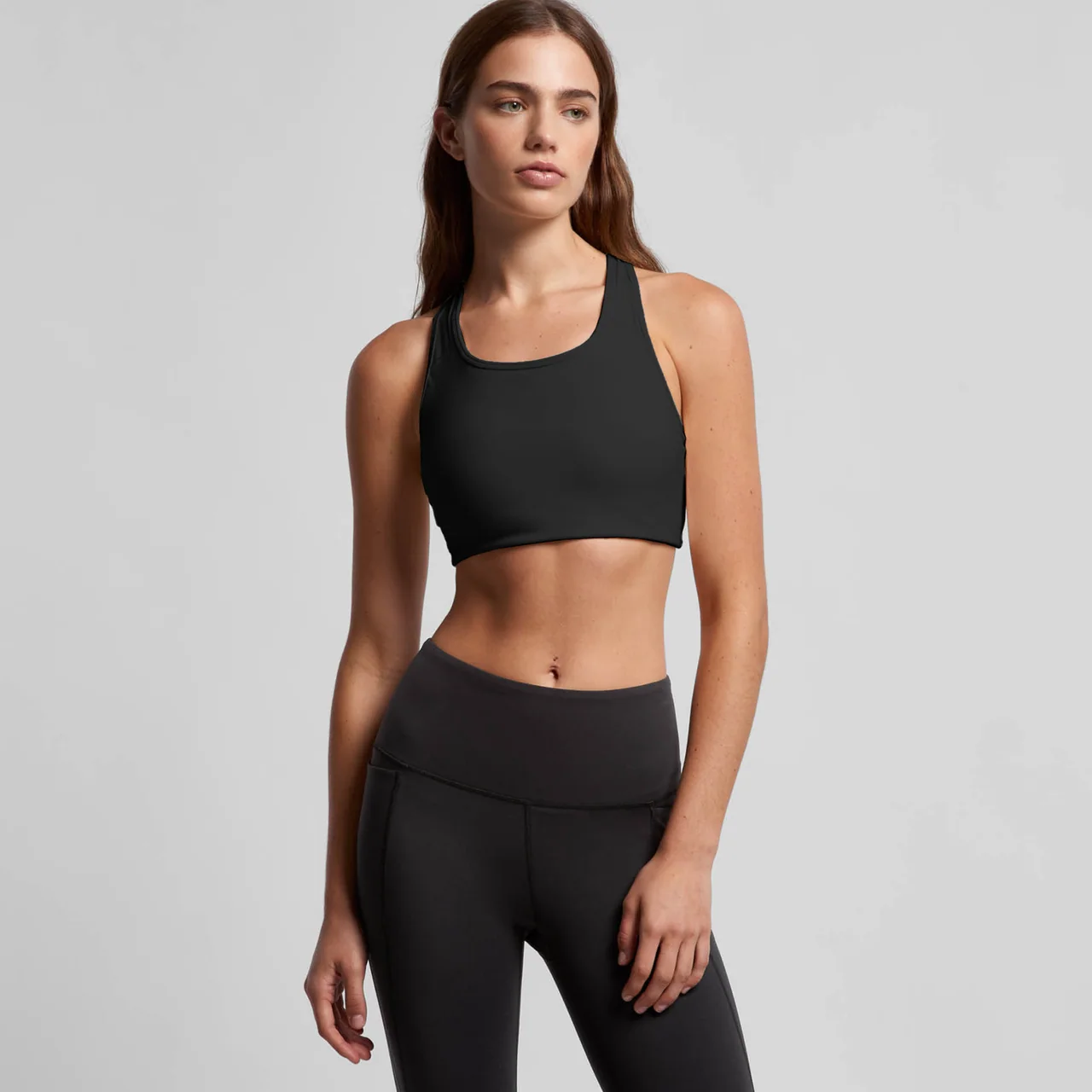
Sports bras require a distinct brief covering intended activity, coverage, straps, bands, lining, and any padding. Support expectations need to be translated into design and evaluation requirements rather than inferred from a tight fit alone.
Close-fitting or compression-style tops also need a clear definition of the desired feel. A fitted silhouette is not evidence of a particular compression level or a recovery benefit. Discuss any measurable performance requirement before selecting materials or making customer-facing claims.
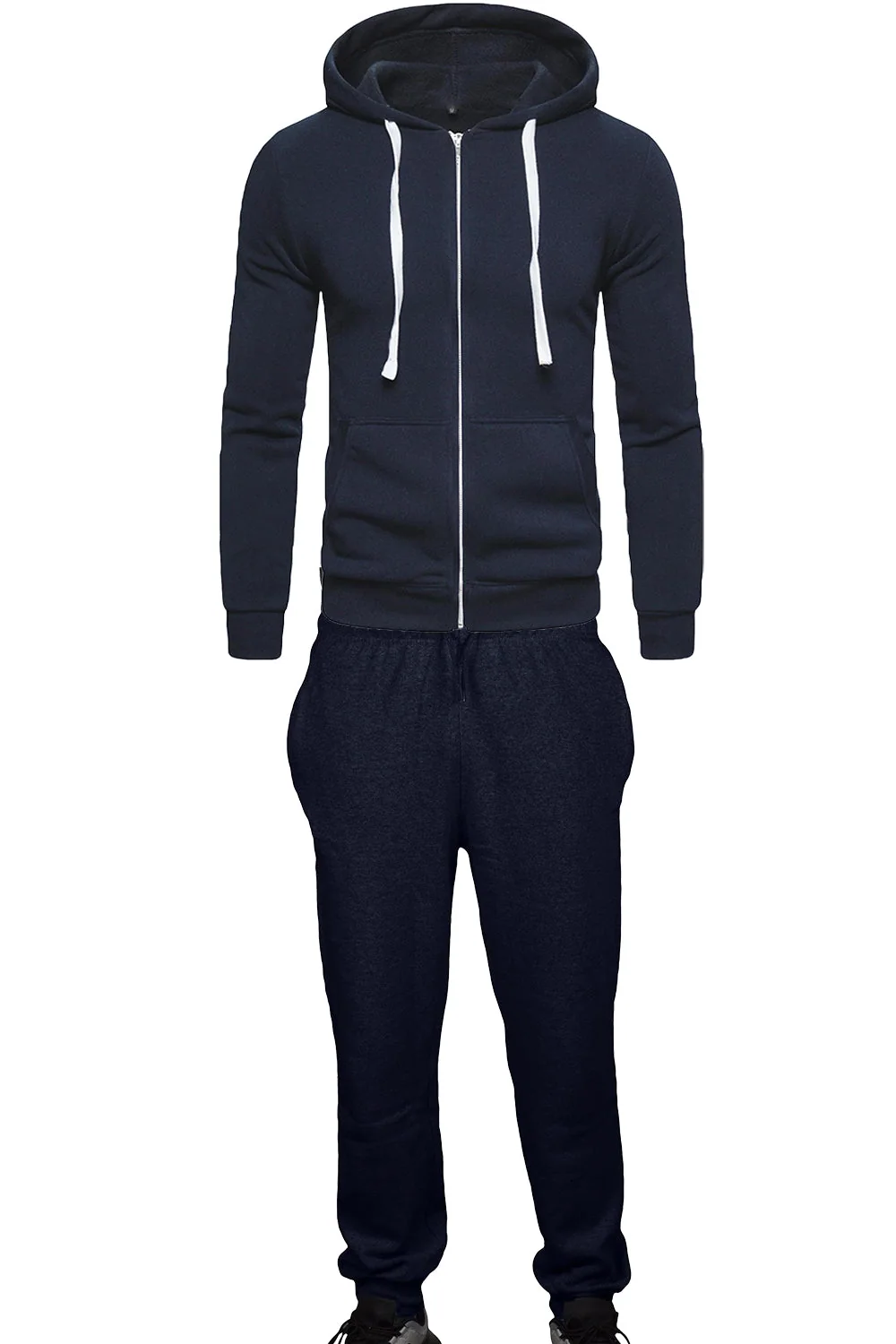
Teamwear, jerseys, and tracksuits
Teamwear adds coordination requirements: colors, logos, names, numbers, size lists, and delivery dates may all need controlled approval. Jerseys and training garments should be specified for the intended sport and wearer rather than treated solely as graphic carriers.
Tracksuits, warm-up layers, and sports hoodies can connect the collection beyond active play. Their brief should consider layering, closures, pockets, and the intended climate. A fashion-led warm-up style is not automatically a weather-protective technical garment.
Fabrics and brand applications
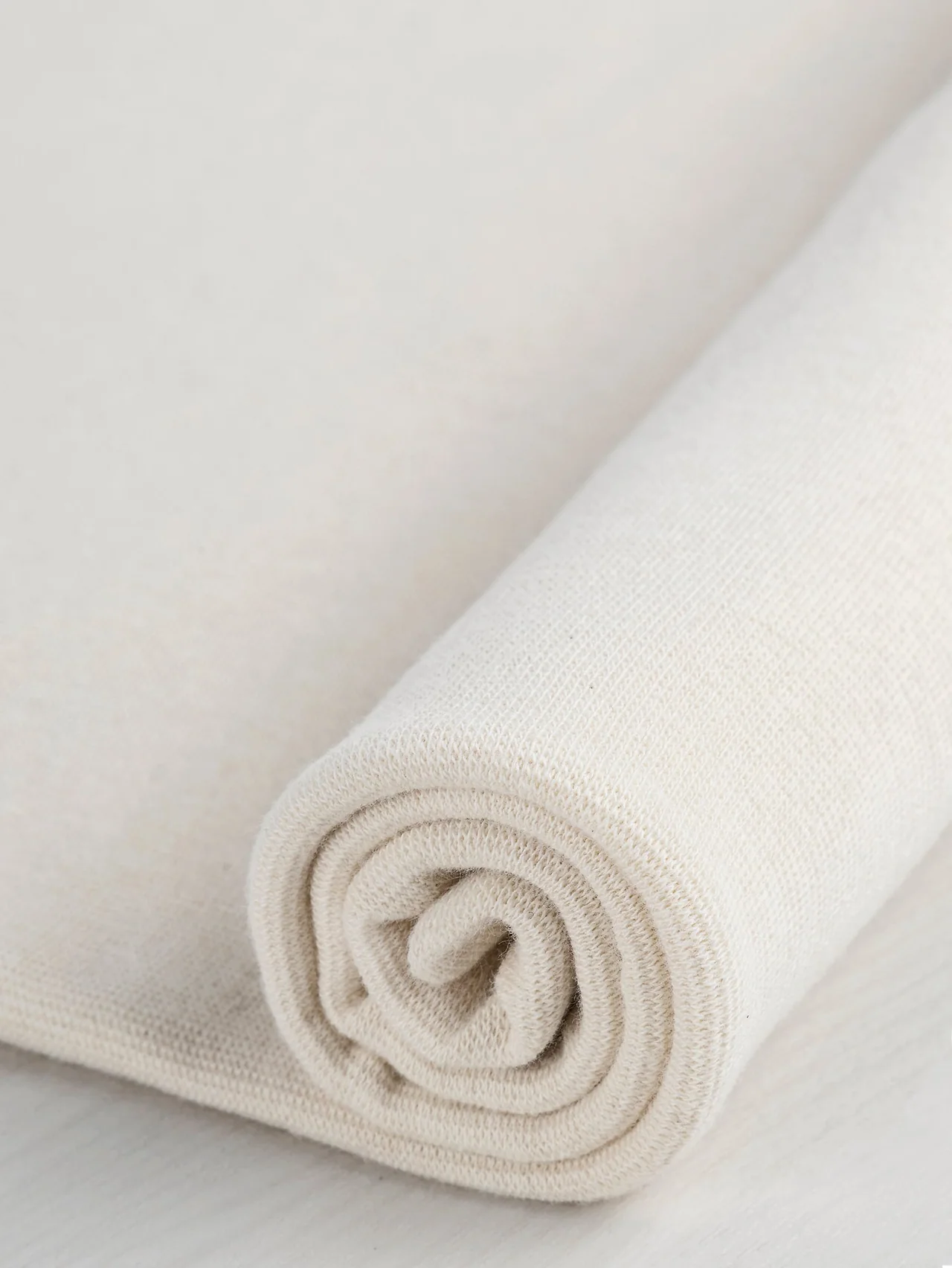
Polyester, nylon, elastane-containing blends, mesh, and cotton blends can be assessed against the product requirements. Fiber names alone do not establish stretch direction, recovery, moisture behavior, or durability. Review the actual material specification and sample.
Branding may involve suitable transfers, screen printing, sublimation, embroidery, or labels. Select the method according to material, artwork, location, and desired feel. A logo on a stretch panel should be evaluated with that panel in use, not only as a flat visual proof.
A clear path to production.
01
Define the activity and collection priorities
Tell us who will wear the product, during which activities, and in what conditions. Identify whether the range is performance-led, team-focused, or primarily athleisure. Include style references, planned quantities, sizes, branding, and the required delivery destination.
Rank your priorities where tradeoffs are possible: softness, coverage, stretch, drying behavior, structure, or visual impact. This makes material selection more focused and prevents the brief from becoming a list of unverified promises that no sample can meaningfully demonstrate.
02
Translate the brief into specifications
Prepare the measurements, construction details, materials, trims, and artwork requirements for each style. Define the relevant stretch and movement expectations and identify any formal testing needed. For team programs, establish a controlled list of names, numbers, and sizes.
The specification should distinguish a required performance characteristic from a design preference. It should also identify what evidence is needed for approval. This gives fabric sourcing and sample development a practical target rather than an ambiguous instruction to make the garment technical.
03
Select materials and develop samples
Compare material candidates for weight, feel, stretch, recovery, appearance, and compatibility with decoration. Where a documented attribute is essential, request the relevant information during sourcing. Material substitutions should be visible in the sample record.
Develop a representative garment to evaluate the pattern and construction. A fabric swatch can help select a direction, but it cannot show how seams, openings, bands, and panels work together on the body. Efficient sampling connects these decisions instead of approving them in isolation.
04
Review movement, fit, and branding
Assess the sample through the intended movements and wearing conditions within the agreed evaluation scope. Review coverage, restriction, waistband or band stability, seam comfort, and how the garment returns after stretching. Compare measurements using the agreed method.
Provide consolidated feedback with photographs and specific observations. Confirm the artwork size and location on the physical sample. For sets and teamwear, review related pieces together so the collection is approved as a coordinated program, not just a series of individual items.
05
Approve and produce the range
Confirm the current sample, technical specification, material, decoration, size grading, and required tests before bulk release. Any outstanding approval should be identified explicitly. The production schedule depends on those decisions being complete and the required inputs being available.
Bulk cutting, assembly, application, and finishing follow the agreed manufacturing route. In-process review focuses on material consistency, seam construction, measurement control, and the details that matter for the activity. A change in a performance fabric needs review even if its color appears similar.
06
Inspect and prepare delivery
Final inspection covers the finished product against the approved reference and scope. Check garment identification, measurements, construction, artwork, and packing. Teamwear also needs careful reconciliation of personalized details with the approved order list.
Confirm how sets and sizes will be grouped for receipt. Good packing information helps your warehouse, retail team, or club distribute the order accurately. Retain the approved technical references so later replenishment starts with clear information.
MOQs, lead times & cost drivers.
Activewear minimums vary with the fabric, style, color, construction method, and branding requirements. An available material and a custom-developed performance textile may carry different sourcing commitments. Separate garment minimums from material and component minimums in the quotation.
For a first collection, fewer carefully chosen styles can simplify development and approval. Sharing a suitable fabric or trim may help coordination, but only where it serves the products properly. Flexibility does not mean forcing unrelated activities into one material to meet a quantity target.
Knapmod confirms timing after reviewing the development work, material availability, testing scope, quantities, and delivery arrangement. Allow for sample review and revisions as well as bulk manufacturing. Event dates and team launch dates should be raised early so they can inform feasibility.
Cost drivers include fabric type, consumption, panel complexity, seam construction, specialized trims, decoration, personalization, sampling, and testing. A simple training tee and a structured sports bra involve different development requirements. Price comparisons should use equivalent specifications and approval scopes.
The most effective way to support speed is to provide a complete brief and coordinated feedback. Finalizing the material and fit before expanding the number of colorways can reduce unnecessary sample work. Clear decisions create a faster route to production than repeatedly revising an already released range.
Performance needs evidence.
CHECK / 01
Activewear quality cannot be judged only by appearance. Review dimensions, seam formation, stretch behavior, coverage, and comfort in relation to the intended activity. A clean-looking garment may still need refinement if it restricts movement or shifts during use.
CHECK / 02
Material checks should relate to the approved specification. Stretch, recovery, opacity, moisture behavior, and laundering performance are separate characteristics. A fiber composition does not prove all of them. Agree which need practical sample evaluation and which require formal test evidence.
CHECK / 03
Decoration should be reviewed for its compatibility with the fabric and movement. Inspect placement, definition, application quality, and any effect on surface feel. A large decorative area may need a different evaluation from a small logo, especially on close-fitting garments.
CHECK / 04
Support, compression, odor-control, sun-protection, recycled-content, or other specific claims require appropriate substantiation. We do not treat an attractive sample or a generic supplier description as evidence for every claim. Define the requirement, method, acceptance criteria, and reporting responsibility before relying on it in product copy.
CHECK / 05
Routine inspection and laboratory testing are not the same service. Confirm the agreed testing scope and any additional cost or timing in advance. This makes approval more transparent and keeps the quality standard tied to the actual product you intend to sell.
The details, answered.
Clear answers before the next step.
Begin with the activity and desired wearing experience. Compare weight, stretch, recovery, surface feel, coverage, and moisture requirements. Narrow the choice through swatches, then evaluate it in the garment. There is no single material that automatically suits every training, studio, and lifestyle product.
Discuss the available development route with your product brief. Adapting an established base and developing a fully bespoke garment involve different work and control. Confirm what can change, what is already established, and what still needs sample approval before choosing the route.
Include personalization in the request so the method and workflow can be assessed. Supply an approved order list with exact spelling, numbering, sizes, and placements. A clear approval record is essential because a correctly printed name on the wrong size still creates an unusable item for the intended wearer.
No. A close fit describes the silhouette, not a verified pressure level or benefit. If compression is central to the product, define the technical requirement and supporting evaluation. Avoid assuming that elastane content alone establishes a specific compression or recovery claim.
Review measurements, movement, coverage, seams, bands, material feel, and decoration. Check the sample under the agreed use and care conditions and record any unresolved material or testing questions. Approve the documentation alongside the garment so the bulk reference is complete.
Choose activewear fabrics by activity, stretch recovery, opacity, moisture behavior, durability, feel, and product-specific testing rather than fiber labels alone.
Plan an athleisure collection around a defined customer, honest performance positioning, fabric and fit development, coordinated sets, and controlled launch quantities.
Build your activewear range around a clear performance brief. Request a quote through the project form below or contact Knapmod Mfg on WhatsApp with your styles, intended activities, quantities, and deadline. We will help define the sourcing, sampling, and approval work needed for a precise and efficient production plan.