Define the collection before comparing factories
Define the collection before comparing manufacturers. List hero styles, fits, fabrics, graphics, trims, washes, colorways, size ranges, quantities, labels, packaging, destination, and launch timing. A manufacturer specializing in simple blanks may not suit a range with oversized patterns, heavyweight fabrics, custom washes, hardware, or complex decoration. Compare capability against the actual collection.
Check heavyweight material capability
Ask for material evidence relevant to the products: heavyweight jersey, French terry, fleece, twill, denim, rib, lining, and trims as needed. Review composition, structure, weight, finish, shrinkage, recovery, shade control, minimums, and availability. The supplier should explain how the chosen quality supports the intended silhouette and process rather than presenting fabric weight as the only measure of quality.
Review oversized pattern and fit control
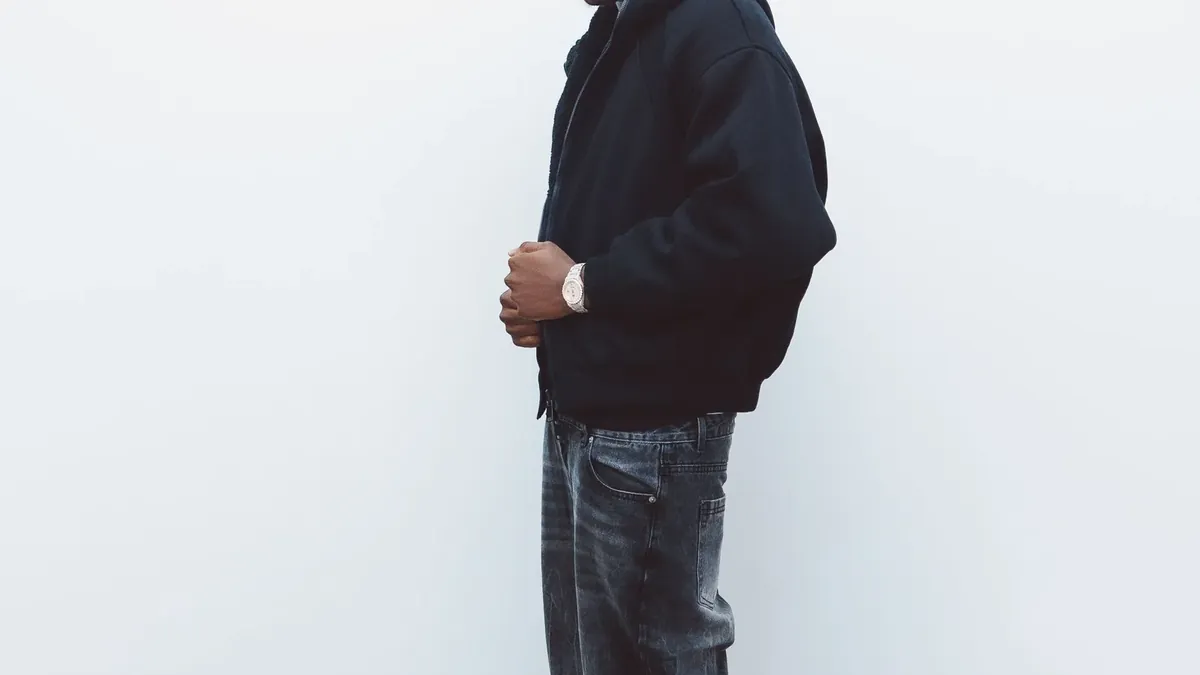
Streetwear depends heavily on proportion. Evaluate shoulder drop, body width, crop, sleeve volume, hood shape, rise, leg shape, and grading through measurements and physical samples. Ask how patterns and comments are controlled between revisions. A reference image can communicate direction, but repeatable bulk production requires documented measurements, tolerances, construction, and an approved sample.
Evaluate graphics, washes, and trims
Review examples of screen print, puff print, embroidery, appliqué, patches, transfers, washing, hardware, labels, and packaging that match the proposed range. Ask which operations are handled directly and which use approved partners. Test the selected techniques on the production fabric because density, heat, color, wash, and stitch weight can change drape and appearance.
Use samples to test the difficult details
Use samples to test the most difficult product details first. Check fit, fabric, seams, shrinkage, graphics, wash effect, trims, labels, and care. Keep comments consolidated and versioned. If a capsule shares colors or materials, review pieces together for shade and proportion. Do not let approval of one decoration or fabric become assumed approval of the complete garment.
Compare MOQ, timing, and quote scope
Compare minimums by style, color, material, artwork, and trim rather than accepting one headline MOQ. Review sample charges, development, material excess, decoration setup, labels, packaging, testing, unit price, schedule, payment, freight, and duties. A realistic timeline should identify buyer approvals and material dependencies. Extremely fast or cheap proposals should be checked for excluded scope.
Choose evidence over broad promises
Choose the partner that provides the strongest combination of relevant evidence, technical response, sample execution, production control, communication, and commercial clarity. KNAPMOD manufactures streetwear in Sialkot, Pakistan from a 50-piece minimum. Production at that MOQ is typically 14 days after approval and material readiness; larger or multi-style drops require a tailored schedule, with shipping confirmed by destination.
Continue reading
How to Evaluate a Custom T-Shirt Manufacturer
Compare custom T-shirt manufacturers using evidence on fabric sourcing, pattern and fit control, decoration, sampling, quality checks, quote scope, and communication.
Read articleHow to Evaluate an Activewear Manufacturer
Compare activewear manufacturers using fabric, fit, stretch recovery, coverage, seam construction, sampling, testing, quality control, and quotation evidence.
Read articleHow to Choose Hoodie Types for Your Clothing Brand
Compare pullover, zip-up, oversized, heavyweight, fleece, French terry, and crewneck directions before preparing a custom hoodie production brief.
Read articleRelated products
Custom Streetwear
Develop a private-label streetwear range with KNAPMOD in Sialkot, Pakistan. Control oversized fits, fabric weights, graphics, washes, trims, labels, and packaging from a 50-piece minimum order.
Explore productCustom Activewear & Sportswear
Build private-label activewear and sportswear with KNAPMOD in Sialkot, Pakistan. Plan every style around movement, stretch, recovery, coverage, seams, branding, and end use from a 50-piece MOQ.
Explore productCaps, Hats & Accessories
Extend a collection with caps, hats, beanies, bags, socks, aprons, and other sewn goods developed around their own construction and branding needs.
Explore productReady to discuss production?
Share your product idea, quantities, references, target fabric, and timeline. KNAPMOD can review the details and help you map the next production step.
Send your enquiry