Knapmod Mfg develops custom T-shirts for fashion founders, growing private labels, merchandise teams, and corporate buyers who want a defined product rather than an unspecified blank. Your brief may center on a structured streetwear silhouette, a soft everyday essential, or a consistent branded range for a business. We connect fabric, fit, construction, and decoration so those choices work together. Our priority is efficient sampling, clear approvals, and precise execution from the first specification through the finished order. Whether you are refining one signature tee or coordinating several styles, we shape the production route around the product you actually need.
BEFORE YOU ORDER
Quote the T-shirt you actually want.
Give your signature tee a clear specification, whether you are building a streetwear collection, everyday basics or branded merchandise.
Starting minimum
50 pieces
Sampling stage
2 weeks
Bulk production stage
2 weeks
We confirm the quantity split, material readiness, approvals and stage start dates in your quotation. Sampling and bulk are separate stages; shipping transit is additional.
01 / Define the product
Share the intended fit, neckline, sleeve shape, fabric composition and target weight. Supply finished garment measurements and artwork with its size and placement. We assess printing or embroidery against the actual material.
02 / Approve the reference
Check body proportions, neck rib, stitching and decoration on the physical sample. Agree the relevant measurement, appearance and wash checks for the order rather than choosing by a fabric-weight label alone.
Buying from the USA, Europe or Australia +
KNAPMOD is based in Sialkot, Pakistan and offers worldwide shipping. Share your delivery country, postcode and required arrival date. We can discuss courier, air or sea freight, or coordination with your nominated forwarder. Availability, freight costs and transit estimates are confirmed for the order.
Agree finished measurements and size labels for your customer; a US, European or Australian size name alone is not a fit specification. Confirm the destination-specific label, packaging and documentation requirements before approval.
Your written quotation should identify currency, sample charges and revisions, payment milestones, delivery terms, and who handles customs clearance, duties and taxes. Shipping and import charges are not assumed to be included in the garment price. Changes, cancellations and any defect remedy are governed by the agreed order terms.
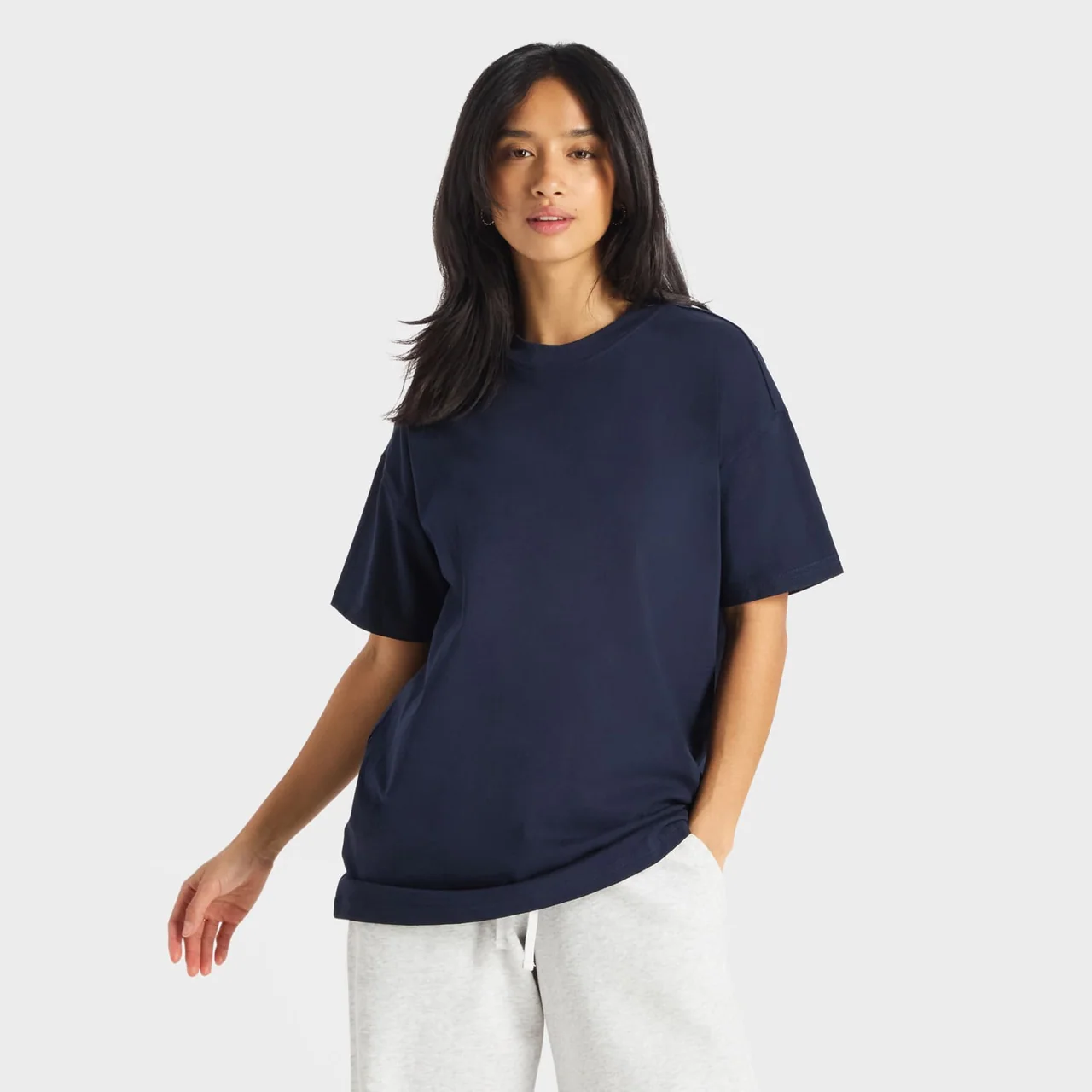
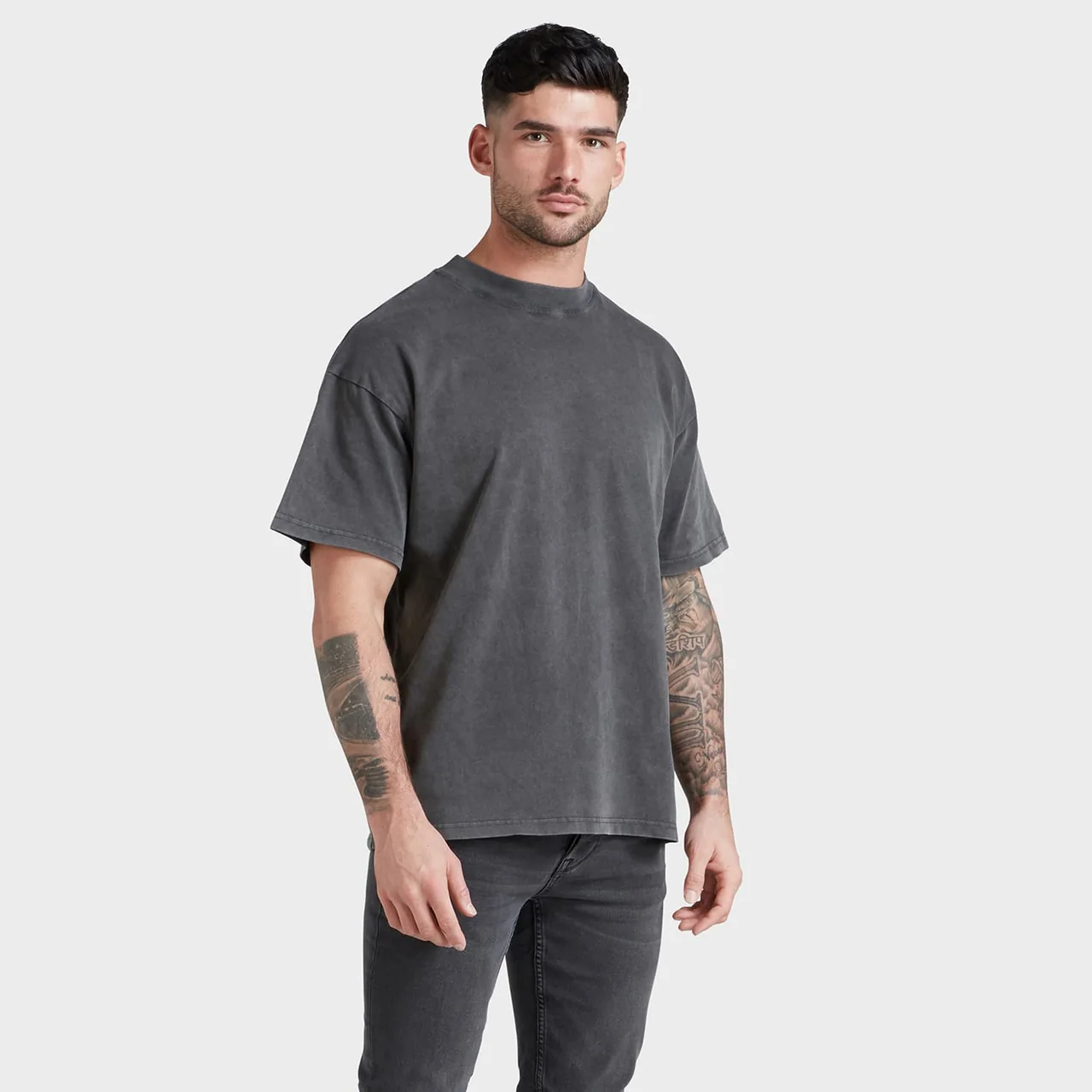
A custom tee starts with proportion. Relaxed, oversized, slim, boxy, and athletic cuts each require deliberate decisions about body width, length, shoulder position, sleeve shape, and neckline. Increasing every measurement does not automatically create a balanced oversized fit.
Crew necks, V-necks, short sleeves, and long sleeves offer different starting points for a collection. The neckline deserves particular attention because its width, depth, and finish strongly influence the overall appearance. Define the intended fit through measurements and a physical sample rather than relying only on broad style descriptions.
For corporate programs, consistency across the size range may take priority over a seasonal silhouette. For fashion labels, a distinctive fit can be central to the product identity. Both approaches benefit from a clear reference that can be retained for future orders.
SPEC / 02
Fabric selection and weight
Cotton, cotton blends, and selected performance materials can support different T-shirt concepts. Combed or ring-spun cotton options may be considered where surface feel is important; blends can offer another balance of drape, texture, and practical performance. The exact composition and construction should be stated rather than hidden behind a generic premium description.
GSM describes fabric weight per square meter. It is useful for comparing candidates, but it does not establish quality on its own. A lighter tee can be intentionally refined, while a heavier material can support a more structured shape. Yarn, knit construction, finishing, and the garment pattern also affect the result.
Review swatches for handle and appearance, then assess the selected fabric in a garment. The same material can feel different when cut into a loose body, a fitted sleeve, or a narrow neckline. Material and fit approval should therefore inform each other.
SPEC / 03
Decoration and garment finishing
Screen printing, digital printing, transfers, embroidery, and selected raised effects can be evaluated for your artwork. Method selection depends on fabric, graphic detail, coverage, placement, quantity, and desired feel. A large front design may need different considerations from a small sleeve logo.
Washes and dye treatments can create another visual direction, but they should be part of the original specification. Finishing may influence color, handle, and measurements. Approve the tee in the intended finished state rather than assuming an untreated sample represents the final product.
SPEC / 04
Private label details and packing
Brand labels, size identification, care information, hangtags, and individual packaging complete the collection. Their dimensions and positions should be defined alongside the garment specification. A neck label that looks correct in isolation may not suit the opening or feel of the finished tee.
Packing can be tailored to the agreed retail or distribution brief. Confirm whether the order needs individual presentation, bulk grouping, or specific size and color organization. We keep those requirements visible early so finishing supports an efficient handover rather than becoming a last-minute decision.
From first reference to a finished run.
01
Establish the product brief
Share the intended customer, fit direction, material preferences, artwork, quantity, and delivery destination. Include a size breakdown and explain any reference garment: which features should be retained, changed, or avoided?
If you are replacing an existing supplier, provide the approved measurements and identify the issues you want resolved. If this is your first tee, begin with the customer experience you want to create. A clear brief helps distinguish essential customization from optional details.
02
Confirm specifications and materials
Develop the measurement chart, construction notes, fabric specification, and branding instructions. Confirm the main fabric, neckline material, colors, and intended finish. Where sourcing alternatives are proposed, compare them against your priorities before approval.
The specification should show how the tee is measured and which tolerances apply. Record print dimensions and positions separately from the visual mockup. This gives pattern making, sampling, and later inspection a shared reference instead of several different interpretations.
03
Produce the development sample
The sample brings together pattern, fabric, neckline, seams, and decoration as agreed in the sampling scope. Review the garment on the intended fit reference, not only flat on a table. Check the shoulder, sleeve opening, body balance, neck shape, and hem.
Where a sample uses substitute material or omits a finish, state what remains unapproved. Efficient sampling means answering the right questions in each round, not treating an incomplete prototype as a final production reference.
04
Refine and approve the complete tee
Send consolidated comments supported by measurements and photographs. Separate fit corrections from aesthetic preferences and artwork revisions. Update the documentation alongside the sample so the approved garment and written instructions remain aligned.
Confirm the size range and any required size-set review before release. The finished approval should include fabric, color, decoration, labels, and packing details. A clear decision at this stage reduces uncertainty when the same style moves into bulk production.
05
Cut, assemble, and decorate
Bulk work follows the approved specification and agreed manufacturing route. Fabric is prepared and cut, components are assembled, and the required decoration and finishing are completed in the appropriate sequence for the design.
Checks during production should focus on the features that define your tee: neckline consistency, matching panels, seam appearance, measurements, and decoration position. Identifying a problem while work is in progress is more useful than discovering it only after packing.
06
Inspect, pack, and coordinate dispatch
The finished order is reviewed against the approved reference and inspection scope. Confirm size and color quantities, garment identification, folding, and packaging. Any shipping requirements should match the agreed commercial arrangement.
Keep the approved specification available for reorders. A repeat style benefits from a stable reference, but new fabric lots, revised colors, or changed graphics still need review. Reorder efficiency comes from retaining accurate information, not skipping necessary confirmation.
A clear brief makes a useful quote.
Custom T-shirt minimums are affected by more than the sewing run. Fabric sourcing, custom color development, decoration setup, and branded components may each carry their own requirements. A total order quantity should therefore be broken down by style, color, and design before feasibility is confirmed.
Available fabric can offer a different route from commissioning a new material. A focused first collection may also be easier to coordinate than the same quantity spread across many unrelated styles. Knapmod reviews these options with your brief and confirms the minimums in the quotation rather than applying an unsupported universal number.
Lead time includes development and production dependencies. Allow for material confirmation, sampling, feedback, approval, bulk work, finishing, and transport. A production estimate after sample approval should not be confused with the total time from the first inquiry to delivery.
Costs depend on fabric composition and weight, garment dimensions, construction detail, washes, decoration, labels, packing, and order volume. Additional print locations or a custom finish can change the price even when the base silhouette remains the same.
To protect speed, send usable artwork, a clear size breakdown, and one consolidated set of sample comments. If a launch date is fixed, identify it before development starts. We can then discuss practical choices within the project scope without promising a schedule that the materials or approvals cannot support.
The whole tee. Not just the logo.
A good tee must be evaluated as a complete garment. Fabric review considers the approved composition, weight, shade, surface appearance, and hand feel. Construction review covers seams, hems, neckline attachment, and the alignment of panels and details.
Measurement checks need defined points and tolerances. Body length, chest width, shoulder, sleeve, and neck dimensions should be compared using the same method established in development. A consistent measurement process is essential when reviewing fit across a production run.
Where laundering performance is important, agree the wash evaluation and acceptance criteria before approval. Assess dimensional change, appearance, and decoration behavior under the intended care conditions. A preshrunk description does not justify an absolute no-shrinkage promise.
Prints and embroidery should be assessed for placement, clarity, color, and their effect on the garment surface. A decorative finish should not undermine the fit or feel that made the tee attractive in the first place. Labels and packaging also need the correct size and product information.
If your collection carries organic, recycled, or performance claims, identify the supporting documentation or testing required. Those claims should follow evidence for the actual material and project, not a general description of a fiber category.
The details, answered.
Clear answers before the next step.
Yes, bring your measurements, reference garment, or fit direction for development review. A custom silhouette needs an agreed pattern and sample approval. Describe the shoulder, body, sleeve, and neckline separately so terms such as oversized or relaxed translate into a defined product.
There is no single best weight. Choose according to the silhouette, climate, desired drape, and customer expectation. GSM helps compare fabrics, but texture, yarn, construction, and finishing also matter. Assess a sample in the intended material before deciding that heavier necessarily means better.
These details can be included in the project brief. Provide the artwork, dimensions, positions, and preferred formats. Confirm component minimums and approval requirements along with the garment order. Coordinating branding during development is more efficient than adding it after the tee has been finalized.
Sampling provides the opportunity to review fit, fabric, construction, and the agreed finishes before release. Confirm exactly what the sample includes and identify any substitutions. Approve the relevant physical reference and documentation together so bulk production has a clear standard.
Send the style details, fabric preference, size range, quantity by color, artwork, labeling requirements, and destination. Include a tech pack if available. If information is incomplete, identify what is still open so the quotation can distinguish confirmed specifications from items that need development.
Build a T-shirt your customers can recognize by fit and finish, not only by its logo. Request a quote through the project form below or contact Knapmod Mfg on WhatsApp with your design, quantities, and launch requirements. We will help define a precise brief and an efficient sampling route for your next collection.