Uniform & Specialty

Uniforms & Workwear

Create coordinated uniforms and workwear around the role, working conditions, durability needs, movement, branding, and repeat-order consistency.

Product directions

What this category can include.

Every style is developed from its own brief. These are common directions to help frame the first conversation.

Styles

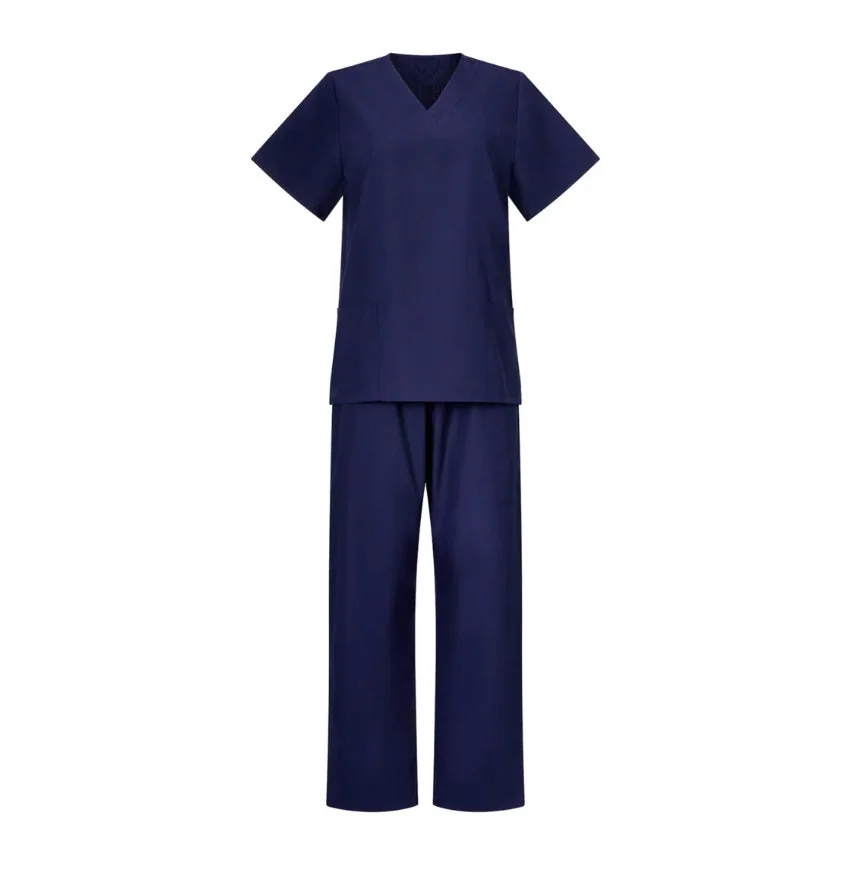
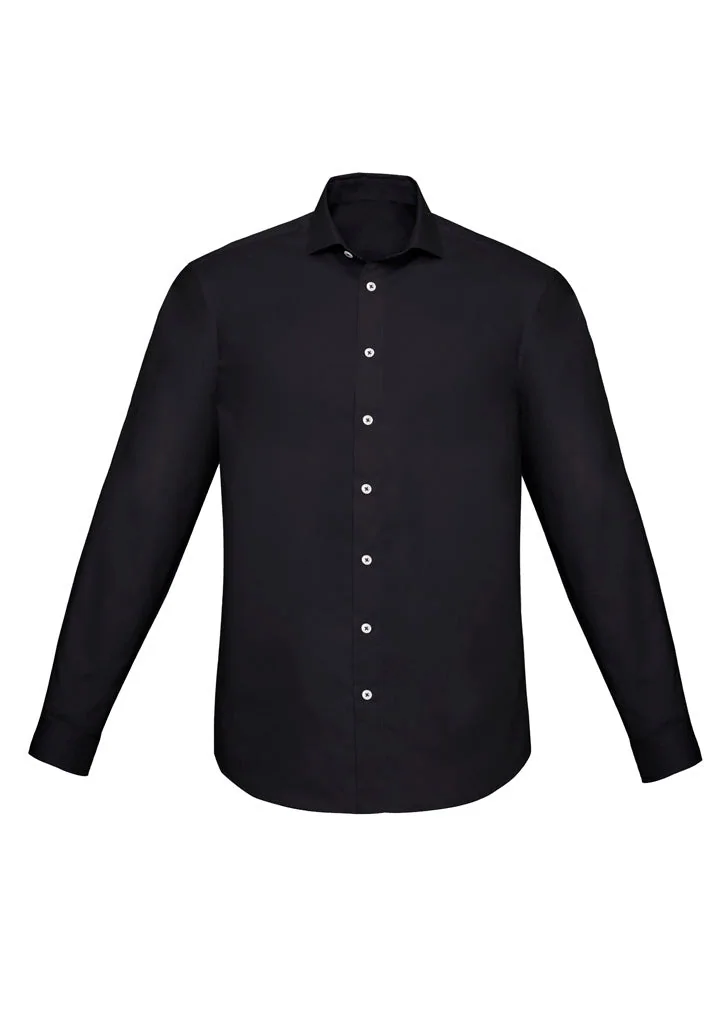
  • Corporate uniforms
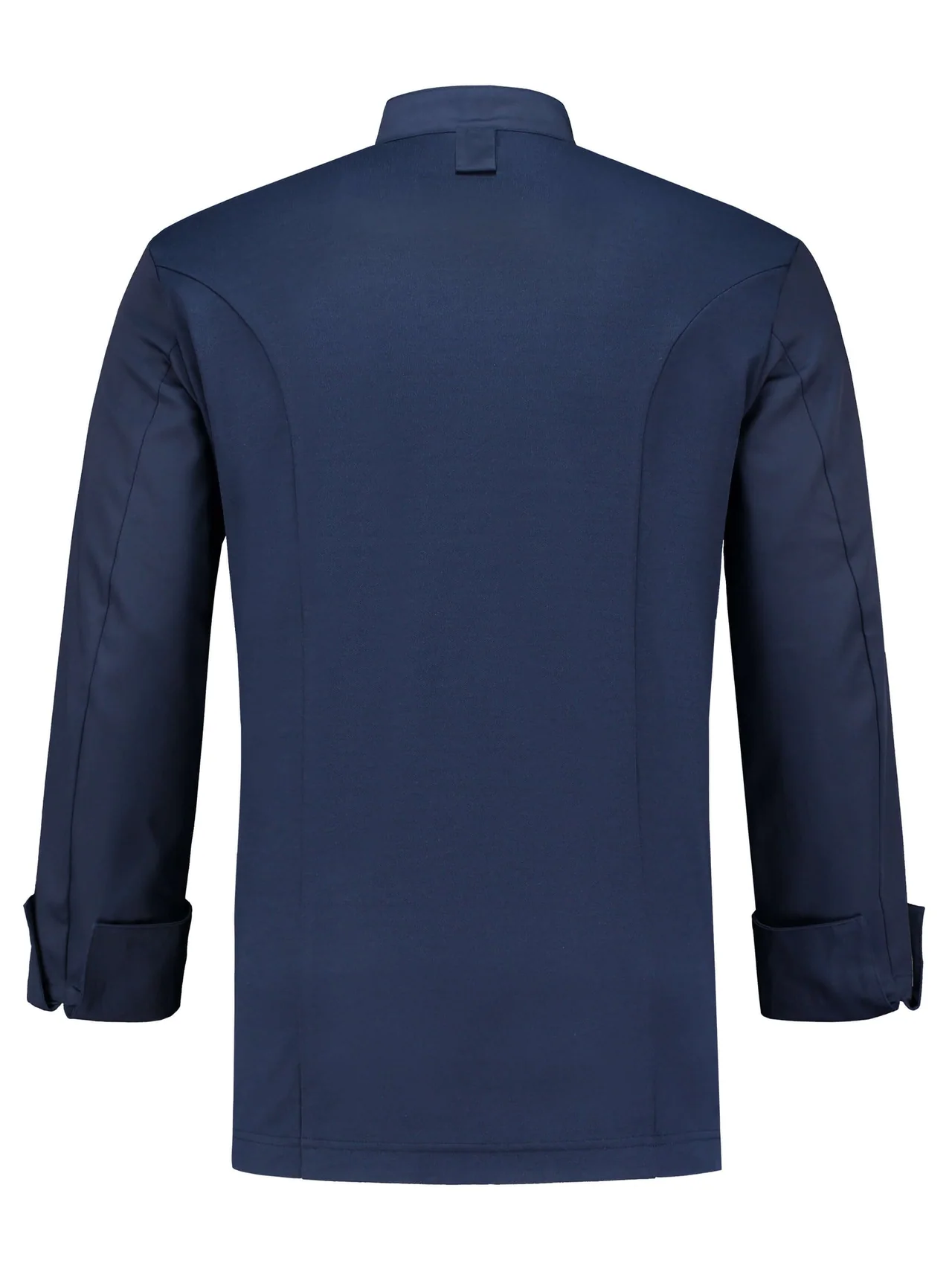
  • Hospitality uniforms
  • Team and staff polos
  • Work shirts and pants
  • Aprons
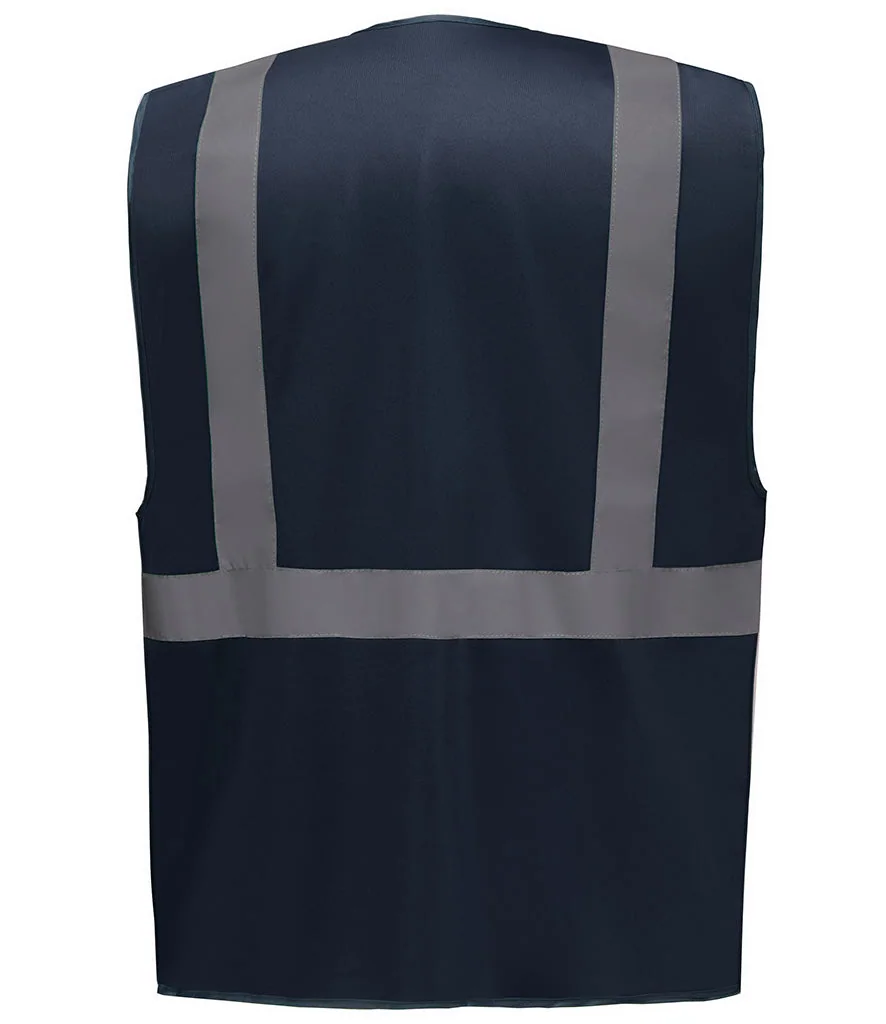
  • Visibility-focused garments subject to specification

Materials

  • Durable woven fabrics
  • Pique and jersey knits
  • Easy-care blends
  • Materials selected for the working environment

Customization

  • Logo embroidery and print
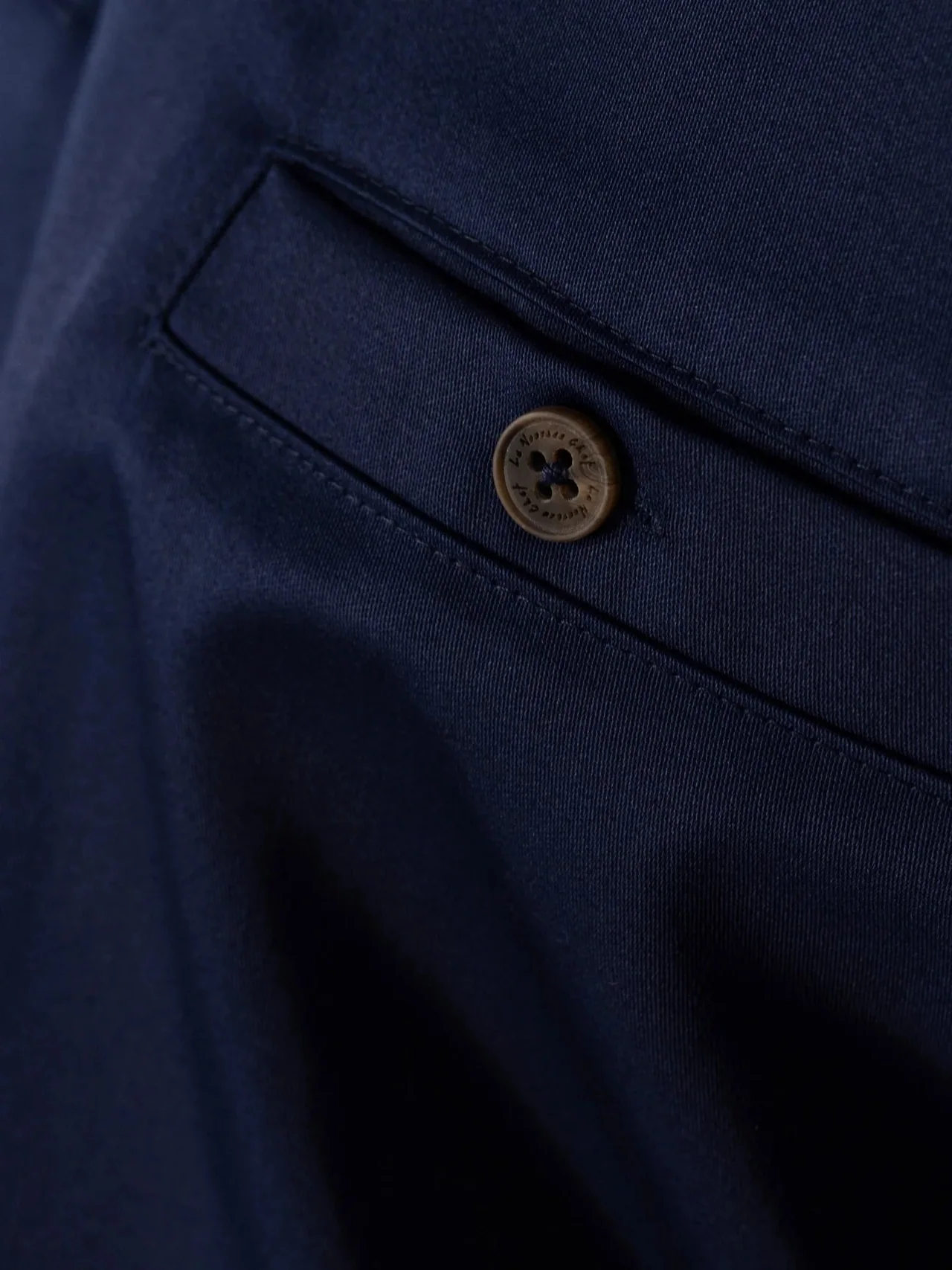
  • Role-specific pockets and trims
  • Name or department identification
  • Size sorting and branded packing

Design from the job requirements

Uniforms should begin with the work being performed. Climate, movement, washing frequency, customer-facing presentation, pocket use, layering, and shift length all influence fabric and construction. A single visual reference is not enough when function matters.

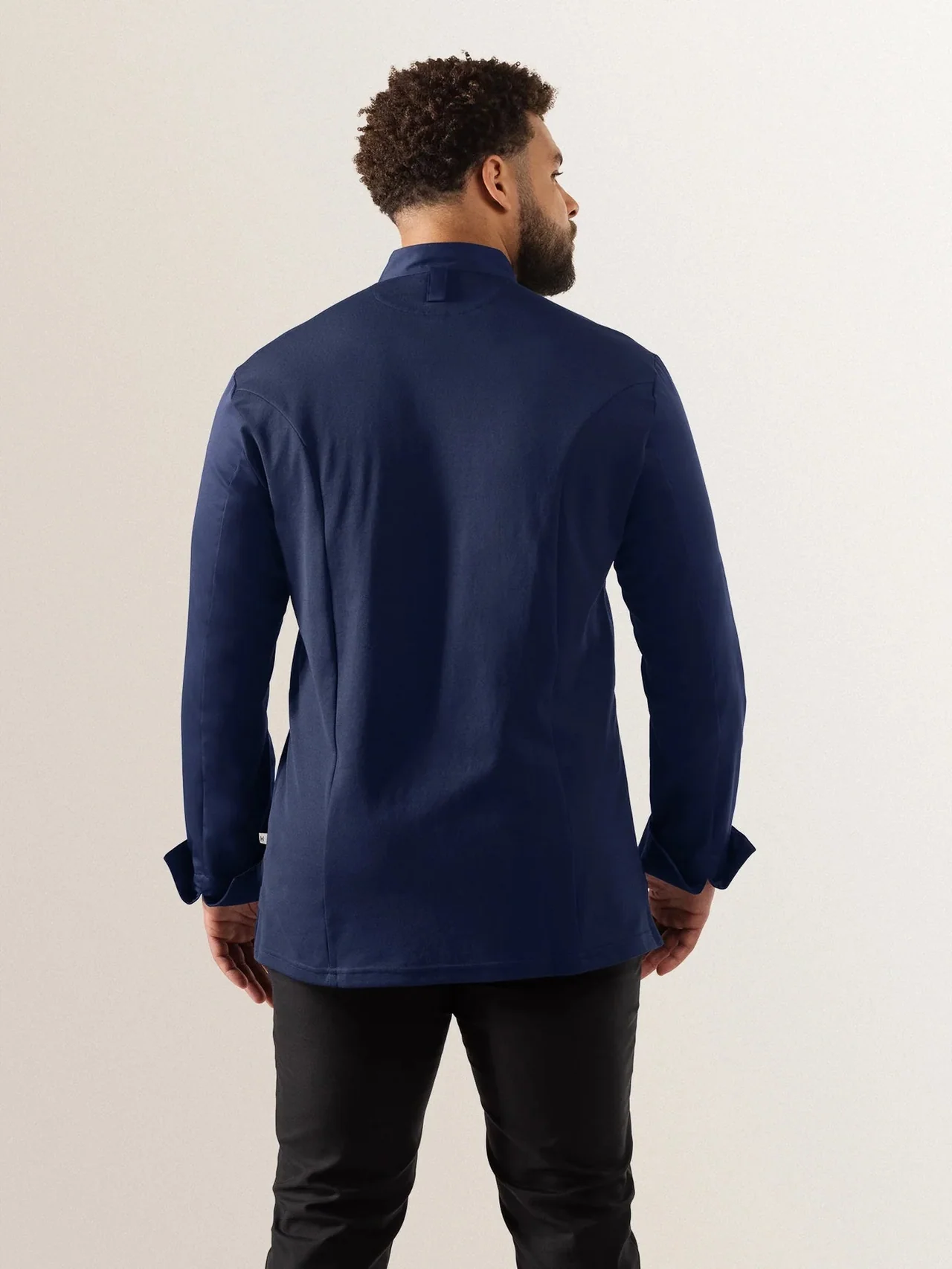
The range may include shirts, polos, pants, jackets, vests, aprons, or coordinated sets. Shared colors and branding should be consistent, while each role can still have the fit and features it needs.

Consistency supports repeat orders

Uniform programs often require replacement or expansion orders, so approved color references, thread shades, logo size, placement, measurements, fabric, and trim details should be documented. This makes future production easier to compare with the accepted standard.

Embroidery, printing, name identification, patches, and labels can be applied according to the garment and use. Any regulatory, visibility, protective, or industry-specific requirement must be supplied by the buyer and confirmed for the relevant market.

Plan sizes and packing by team

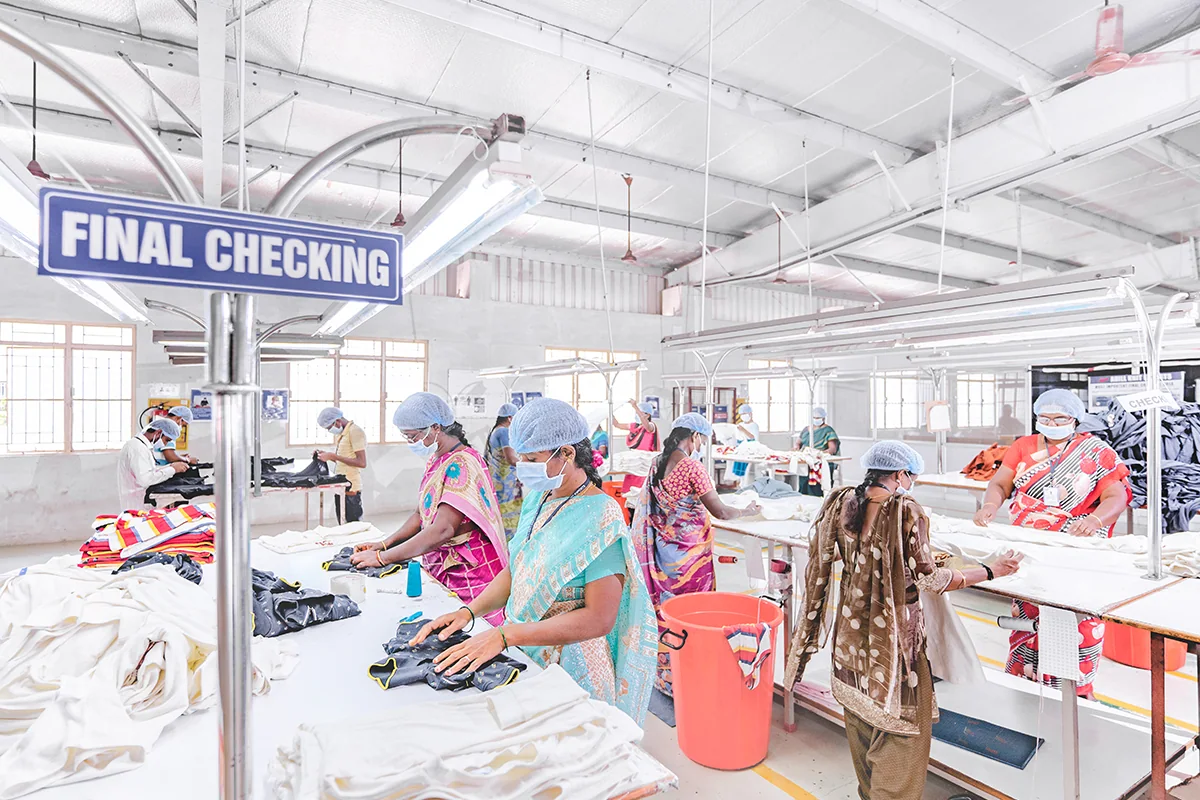
A uniform order benefits from a clear size breakdown and role allocation before production. Packing can be planned by garment, size, employee group, or another agreed method to make distribution more practical on arrival.

KNAPMOD has a 50-piece minimum. Production for an approved 50-piece order is typically 14 days, while larger uniform programs need a quantity and style-based schedule. Shipping depends on country and delivery requirements.

Common questions

Can KNAPMOD produce more than one uniform style in a program?

Yes. Shirts, polos, pants, jackets, aprons, and other garments can be coordinated, with separate specifications for each style.

Can uniforms include embroidered names or logos?

Yes. Supply approved artwork, spelling, size, placement, color, and the allocation for each garment.

Does KNAPMOD define legal protective requirements?

The buyer should provide the applicable regulatory or industry requirement for the destination market. KNAPMOD can then review the product brief against that specification.

Guides for this product

Related product families

Ready to discuss this product?

Share your references, target quantity, sizes, materials, artwork, labels, packing needs, and delivery country. KNAPMOD will review the brief and confirm the next step.

Start your enquiry