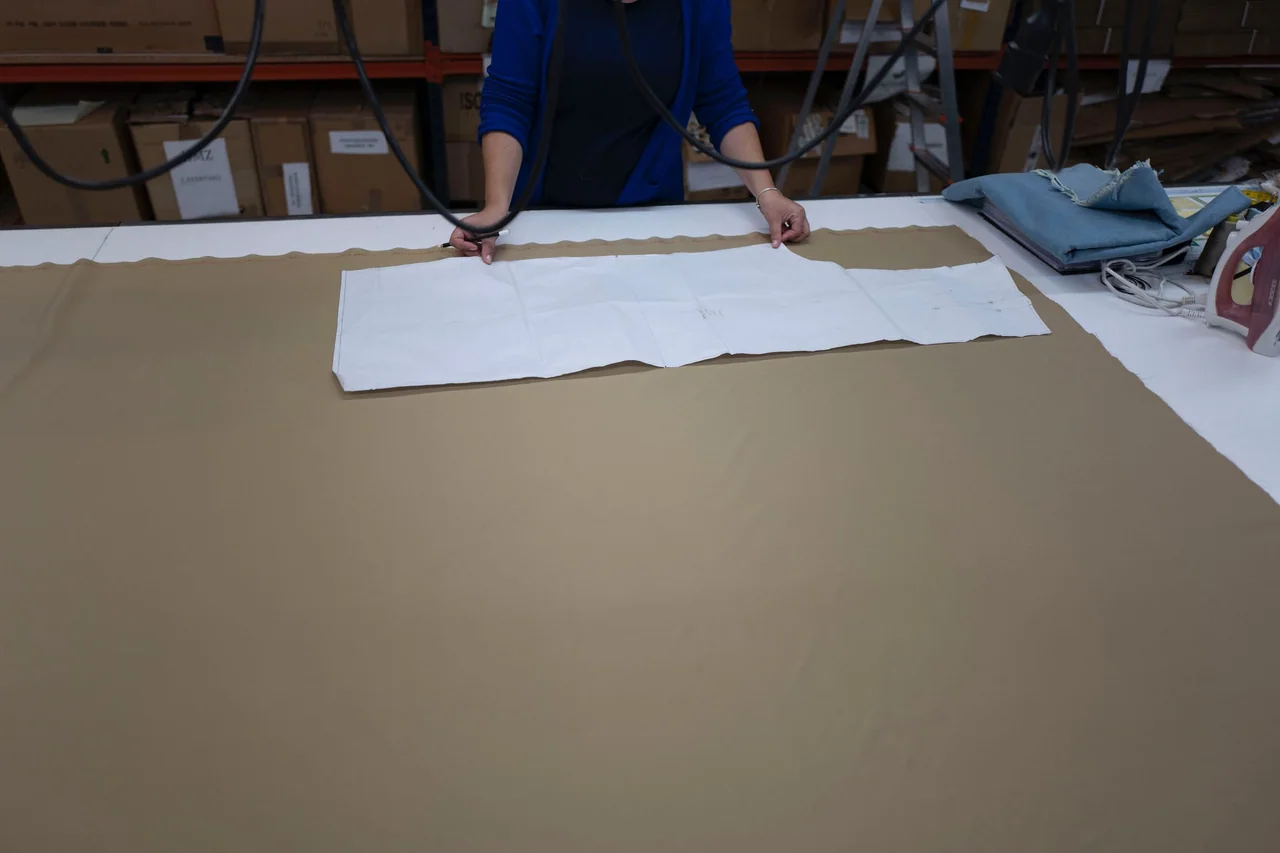
Development is generally scoped by style and deliverable, while bulk manufacturing minimums depend on the product and supply chain. A request for one sample is therefore not equivalent to a commitment to manufacture an unrestricted small order. Confirm how development and production are related in your quotation.
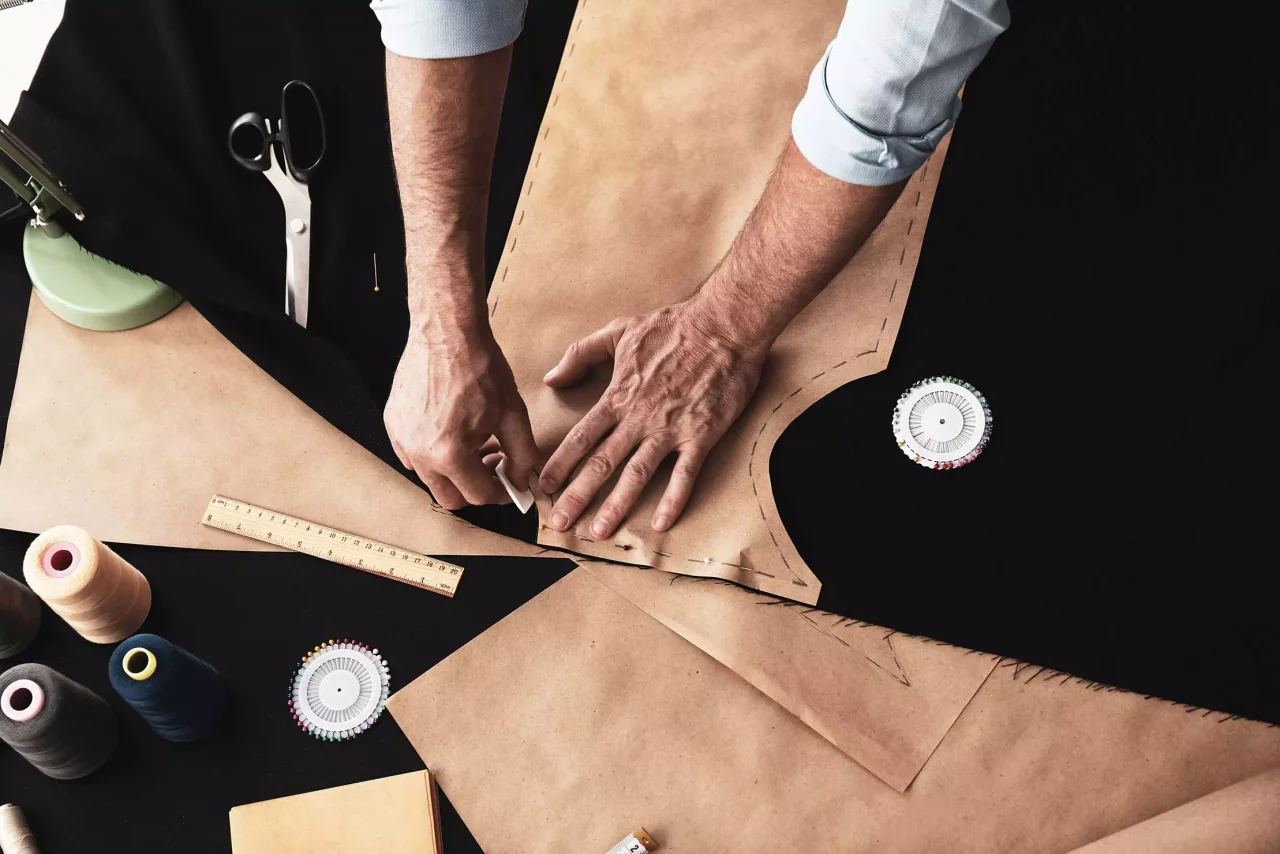
Knapmod sets timing after reviewing the available inputs and style complexity. An existing specification that needs refinement has a different workload from a new technical garment with unresolved materials and construction. Pattern work, sourcing, sample making, fittings, revisions, and grading should each have a place in the schedule.
The main cost drivers are the number of styles, technical complexity, material research, sampling requirements, size range, and revision scope. Artwork creation and brand identity work may require separate costing. Ask whether quoted development includes production-ready pattern files, grading, and any later handoff support.
We do not assume that development fees will be refunded or credited against bulk production. If an arrangement of that kind is offered for your project, it should be written into the quotation. Likewise, file ownership, usage rights, and transfer arrangements should be agreed before work begins.
For efficient progress, appoint one decision-maker, provide complete references, and consolidate feedback. Flexibility is most useful when alternatives are considered before approval, rather than repeatedly reopening a finished specification. That is how development supports speed without compromising precision.