
Mark the shoe line
Show the intended trainer or casual shoe with the desired cuff exposure. An ankle sock should not be confused with a hidden no-show sock, which needs a different opening.
Explore the garments, materials, and development decisions behind your next range.
Starting a clothing brand?Build a practical route through sourcing, sampling, branding, and production.
Starting a clothing brand?Specify low ankle socks by the height above the shoe, heel placement and cuff recovery. Prepare pair quantities and size bands for a retail or team range.
Sampling and bulk production are separate stages. We confirm the quantity breakdown, material availability, start dates and approval requirements in your quotation. Shipping transit is additional to production time.
Show the intended trainer or casual shoe with the desired cuff exposure. An ankle sock should not be confused with a hidden no-show sock, which needs a different opening.
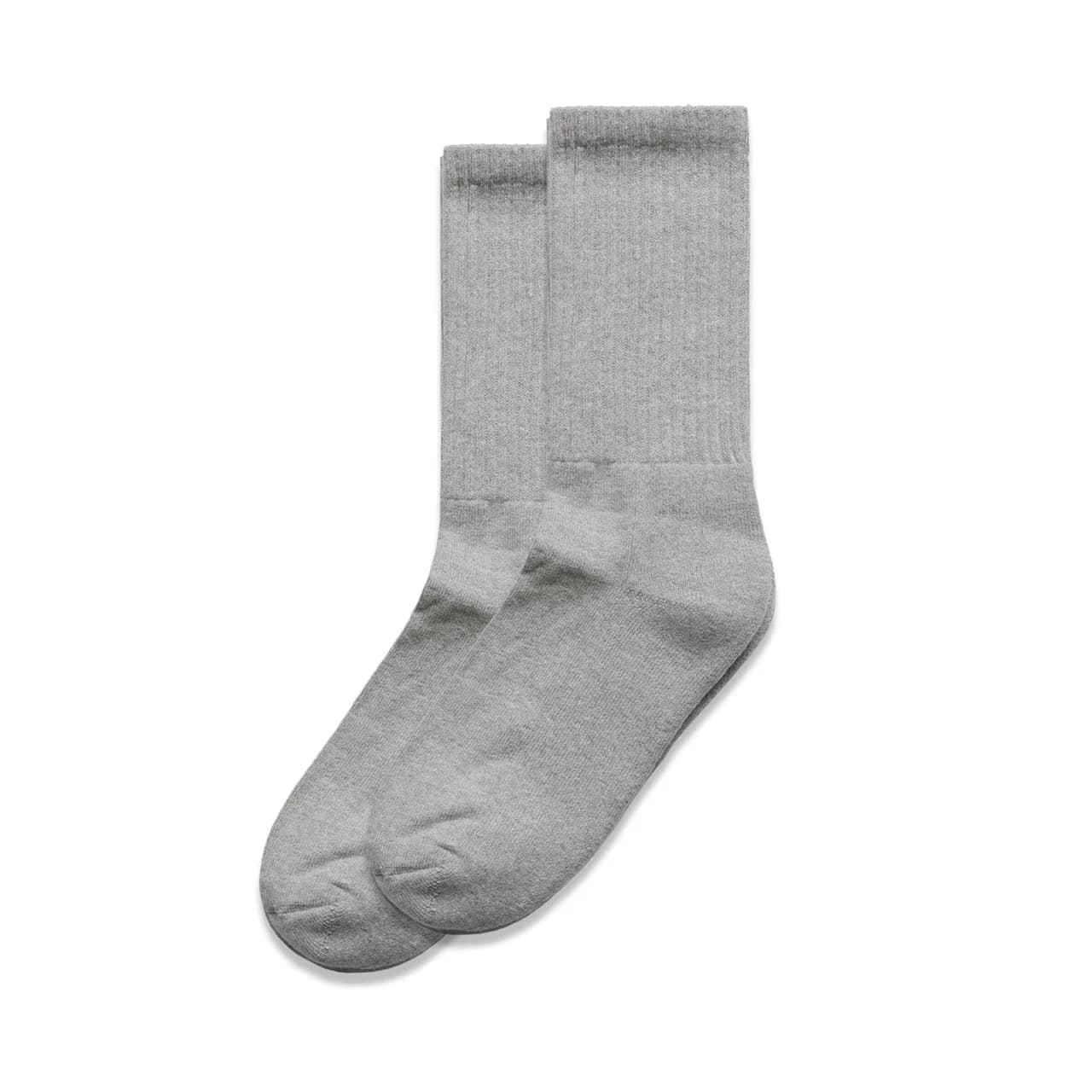
Set foot length and heel pocket depth together. A low cuff gives less upper-leg grip than a crew sock, so test the fit at both ends of each proposed shoe size band.
A side cuff logo can disappear below a high shoe collar. For hidden branding, specify a sole or toe mark instead and show left and right orientation.
Walk in the intended shoes, then remove them and check cuff movement, heel position and toe bunching. Launder the pair and repeat before approving a multipack.
Understand sock development through knitting, yarn selection, cushioning, fit, decoration, pressure claims, finishing, and pair-level quality checks.
Read the guideDevelop a sock range around use, yarn, knit structure, fit, decoration, paired-unit quality, and a clear retail presentation.
Read the guideSend footwear reference, target height, size bands, yarn colours and pairs per pack. Identify any heel tab or cushioning zone on a drawing.
Tell us the sock length, yarn preference, sizes, logo and pairs per design. Mention multipacks or packaging, with the delivery country.