
Draw the front as worn
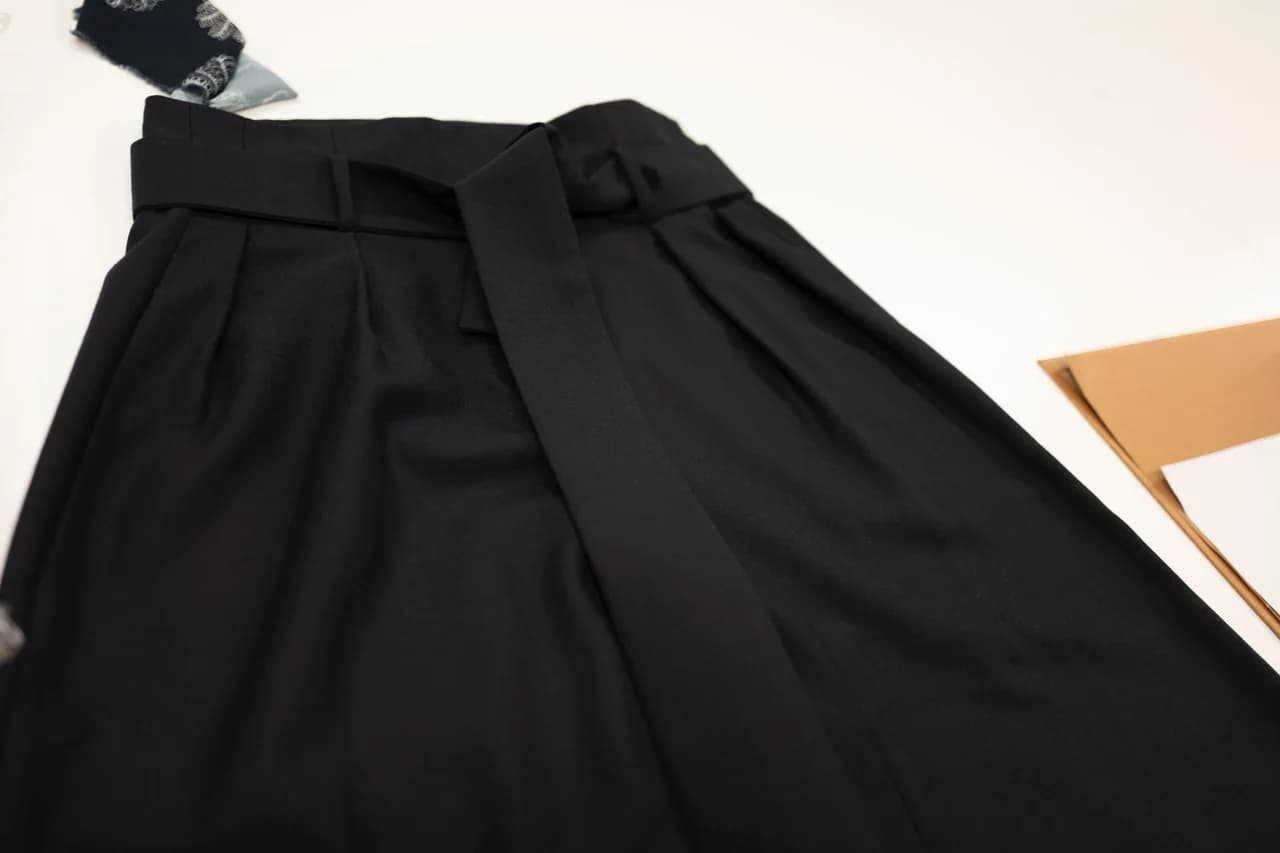
Specify flat or pleated front, belt loops and the fastening extension. Mark where a shirt would tuck in and how far the waistband should sit above the hip.
Explore the garments, materials, and development decisions behind your next range.
Starting a clothing brand?Build a practical route through sourcing, sampling, branding, and production.
Starting a clothing brand?Brief tailored shorts with a fly front, defined crease and clean waistband for a resort or uniform collection. Set rise and seated ease independently of length.
Sampling and bulk are separate stages. The production estimate is for 50 pieces after sample approval and material confirmation. For other quantities, ask us to confirm the schedule. Shipping transit is additional and depends on the destination.
Specify flat or pleated front, belt loops and the fastening extension. Mark where a shirt would tuck in and how far the waistband should sit above the hip.
A turn-up adds thickness at the thigh while a narrow blind hem falls more lightly. Give finished hem circumference and inseam with a reference for the press line.
A slant pocket angles towards the hip, so its opening can pull wide while seated. Mark its angle and bag depth on the base size before grading.
Sit at a table, stand and put a hand in each pocket. Check front crease direction, fly coverage and whether the waistband stays level when the shorts are worn without a belt.
Compare styles: Custom Pleated Trousers
Send front, side and seated fit references, preferred closure, pleat direction and fabric. Distinguish a fashion short from a staff uniform with regular laundering.
Chat on WhatsAppSpecify the short style, fabric, inseam, waistband and pockets. Add lining details if needed, quantities by colour and size, and delivery country.
Compare mesh, fleece, running, cargo, chino, denim, board, and cycling shorts with practical considerations for fit, pockets, movement, and materials.
Read the guideCreate repeatable garment measurements with defined points, flat and stretched methods, consistent units, tolerances, and clear sample records.
Read the guide